






Why Fitness Progress Looks Different at Every Stage of Life
By Swapna Joshi
In the age of social media transformations, six-week challenges, and “bounce back” culture, women are constantly told that progress should look fast, dramatic, and linear. But the truth is far more human — and far more empowering.
Fitness is not a fixed destination. It evolves with you.
Your body at 22 is not the same body at 35. Your priorities after pregnancy are not the same as they were before motherhood. And during perimenopause or menopause, your body begins another completely natural transition that deserves understanding, not punishment.
The problem is not that women are changing.
The problem is that society expects them not to.
Your Fitness Journey Is Not Meant To Look Like Someone Else’s
One of the biggest reasons women feel frustrated with fitness is comparison.
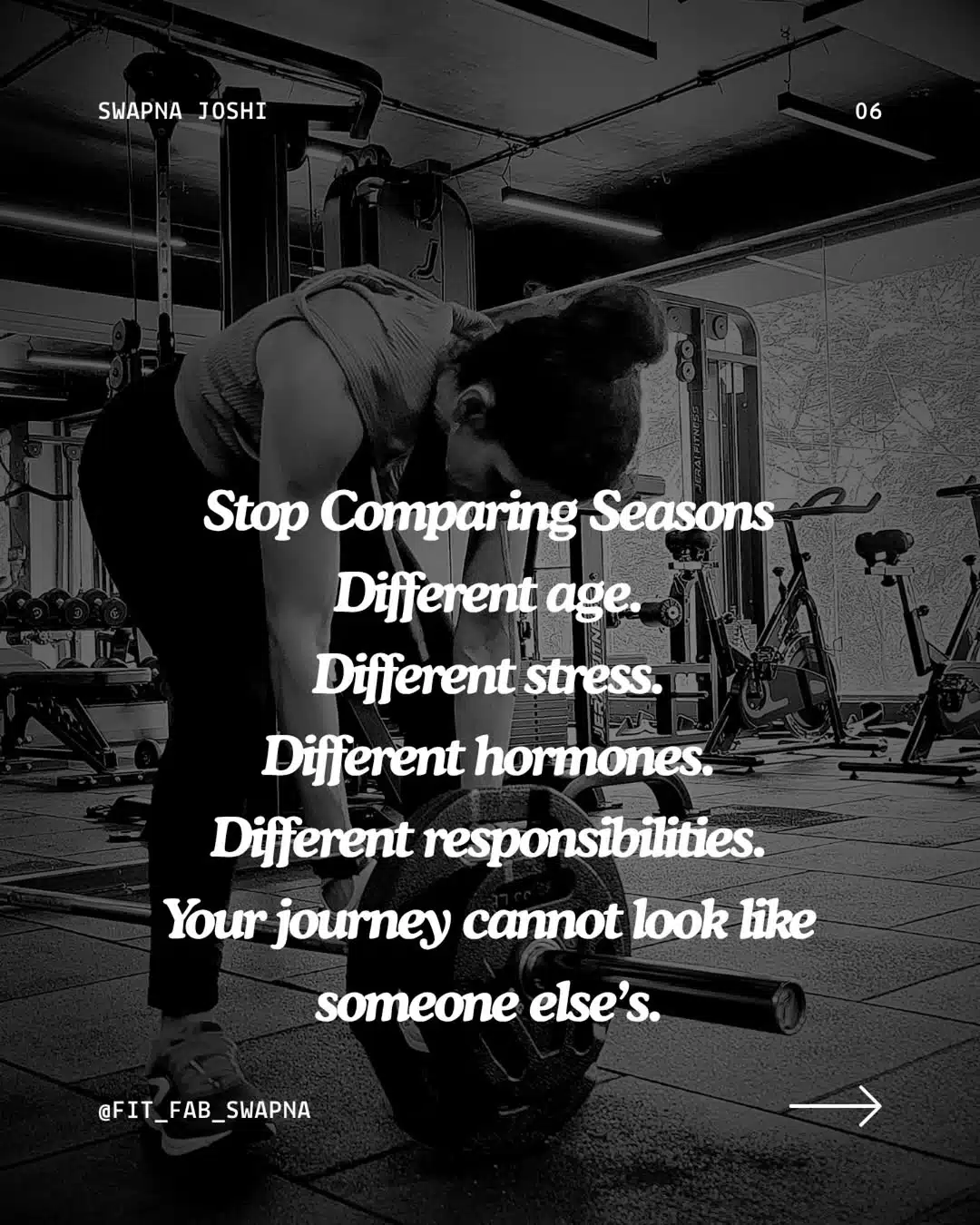
Different age.
Different hormones.
Different stress levels.
Different responsibilities.
Different recovery capacity.
So why should the same strategy work for everyone?
A woman in her 20s may recover quickly from poor sleep, inconsistent meals, and intense workouts. Hormones are often more supportive, energy levels are higher, and the body is naturally more forgiving.
But life changes.
In your 30s and 40s, careers become demanding, responsibilities multiply, stress increases, and sleep often decreases. Recovery slows down. Suddenly, fitness requires a smarter approach — not a harsher one.
That doesn’t mean your body is failing.
It means your body is adapting.
And your fitness strategy must adapt with it.
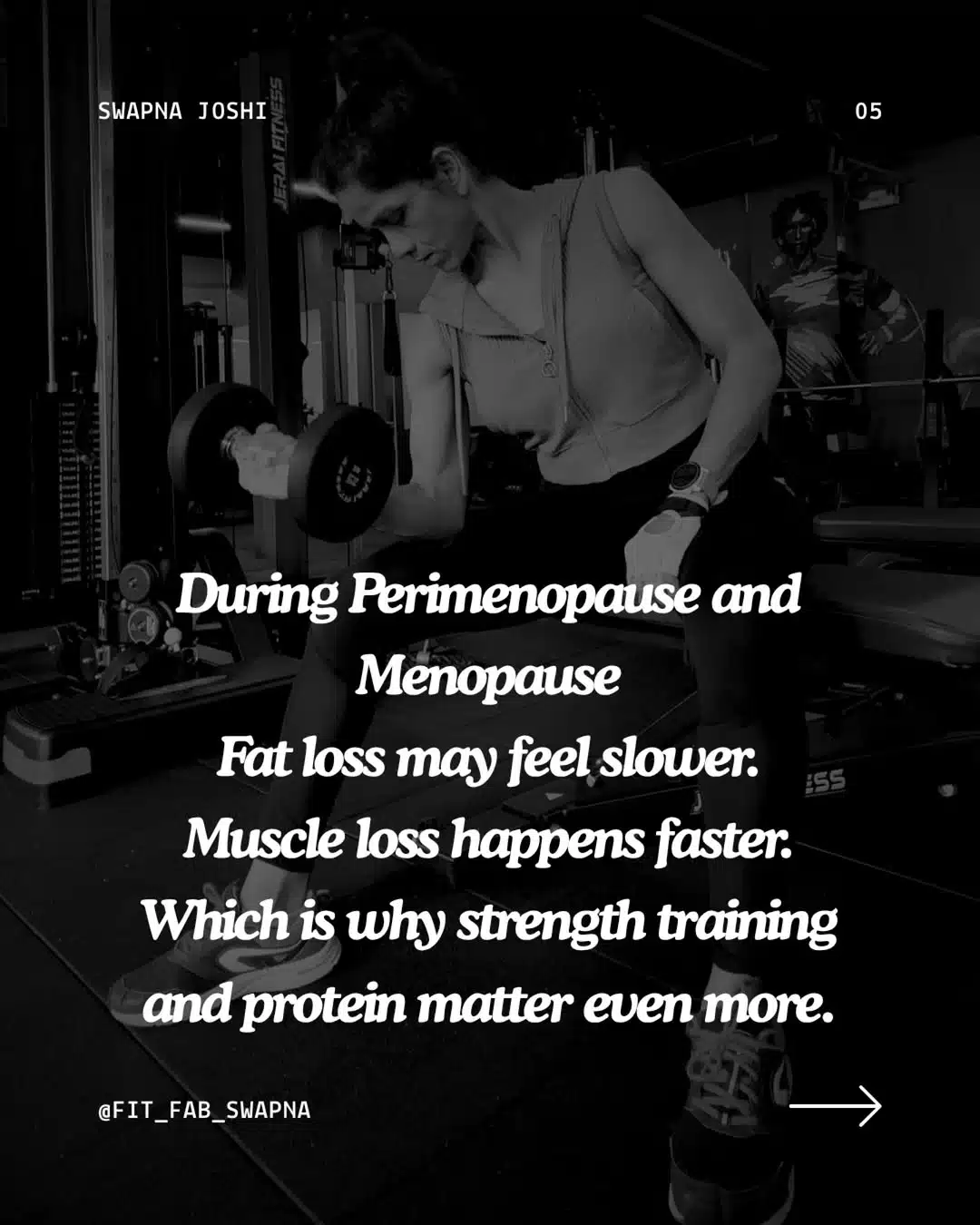
In Your 20s: The Body Forgives More
For many women, the 20s are a phase where the body responds quickly.
You can skip workouts for weeks, return to the gym, and still notice visible results. Recovery is faster. Energy feels limitless. Muscle repair happens efficiently.
But this phase often creates unrealistic long-term expectations.
Many women unknowingly assume their body will always respond this way. Then, years later, when results become slower, they blame themselves instead of recognizing biological and hormonal changes.
Fitness is not becoming harder because you are weaker.
It is becoming different because your body is different.
In Your 30s and 40s: Recovery Becomes The Real Superpower
As women move through their 30s and 40s, stress becomes one of the biggest invisible factors affecting health.
Career pressure, parenting, emotional responsibilities, sleep deprivation, and chronic mental fatigue all influence recovery, hormones, appetite, and body composition.
This is where fitness shifts from extreme effort to intelligent consistency.
Progress now depends on:
- Strength training
- Better nutrition
- Adequate protein intake
- Smarter recovery
- Sleep quality
- Sustainable routines
This stage of life is not about punishing the body into shrinking.
It is about supporting the body so it can continue thriving.
After Pregnancy: The Goal Is Not To “Bounce Back”
One of the most damaging phrases women hear after childbirth is “bounce back.”
Pregnancy changes the body physically, hormonally, emotionally, and mentally. Recovery takes time. Healing takes patience.
A postpartum body is not a broken body.
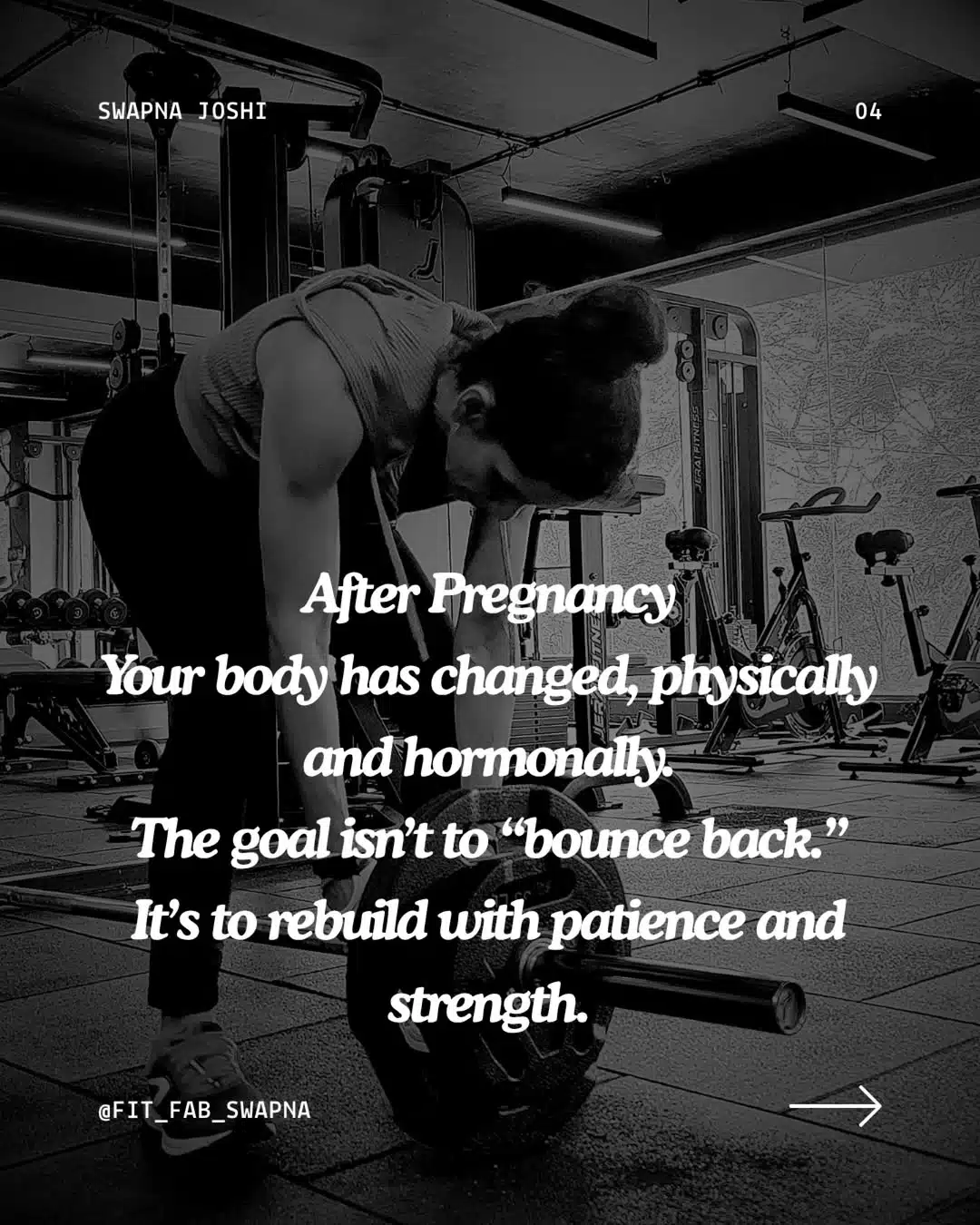
The goal after pregnancy should never be to erase the experience of motherhood. The goal should be rebuilding strength, restoring confidence, and learning to trust your body again.
Some women may return to fitness quickly. Others may need months before feeling physically or emotionally ready.
Both journeys are valid.
Progress during postpartum is not measured only by weight loss. Sometimes progress means:
- Sleeping better
- Feeling stronger
- Healing the core
- Managing energy
- Improving mental health
- Showing up consistently despite exhaustion
That is strength too.
During Perimenopause and Menopause: Strength Matters More Than Ever
Perimenopause and menopause are often misunderstood in the fitness world.
Many women notice:
- Slower fat loss
- Faster muscle loss
- Lower energy
- Poorer recovery
- Increased cravings
- Changes in body composition
And unfortunately, many respond by eating less and exercising harder.
But this phase requires support, not punishment.
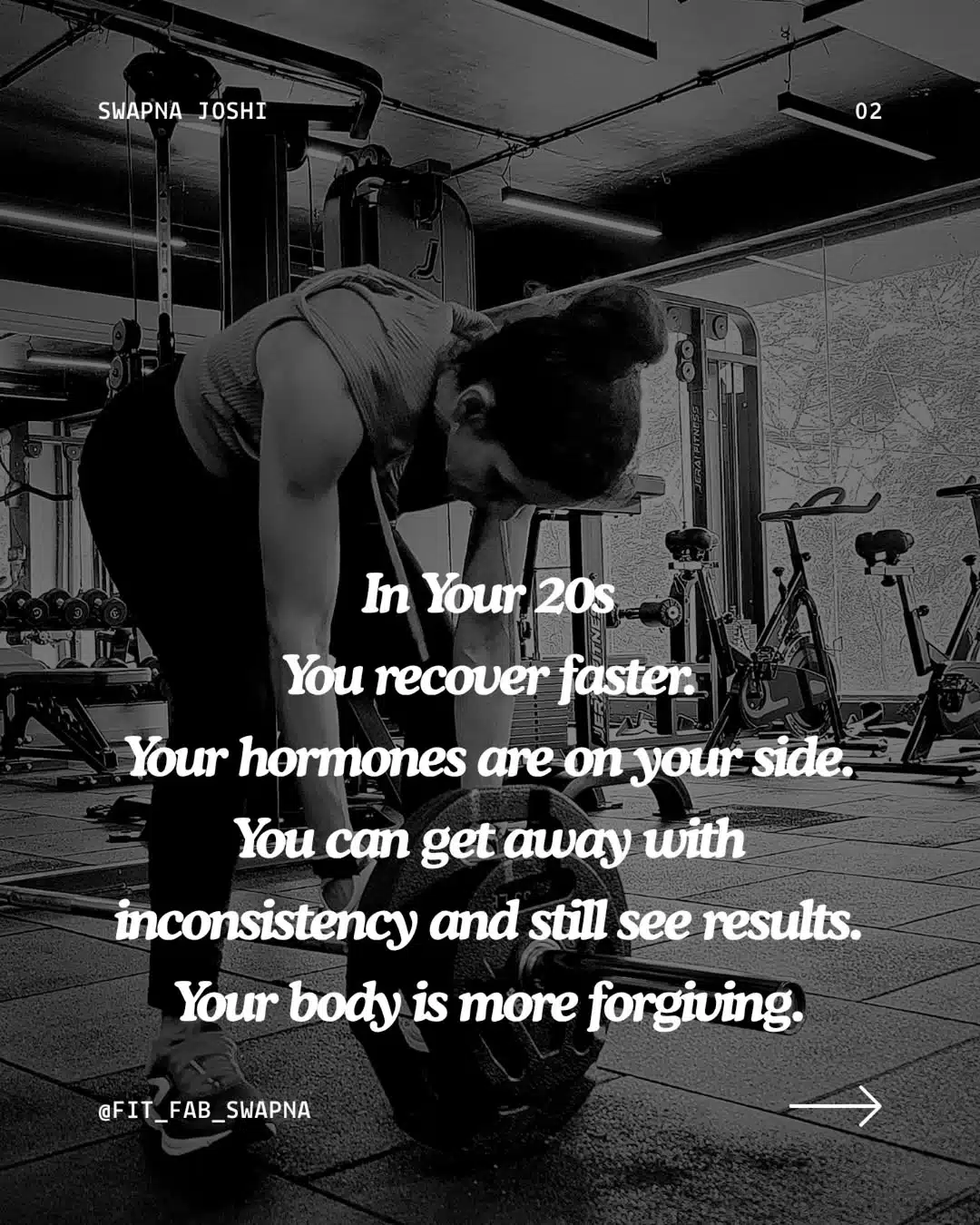
Strength training becomes one of the most powerful tools for women during menopause because it helps preserve muscle mass, improve bone density, support metabolism, and maintain independence with aging.
Protein intake also becomes increasingly important.
This stage is not about chasing the body you had at 25.
It is about protecting the body that will carry you through the next decades of your life.
Stop Carrying Fitness Guilt
You do not need more guilt.
You do not need to feel ashamed because your progress looks slower than someone else’s.
You need to respect the season your body is in.
Some phases of life are for pushing harder.
Some are for healing.
Some are for rebuilding.
Some are simply about maintaining strength while surviving difficult seasons.
Every phase deserves compassion.
Fitness Should Evolve With Life
The healthiest women are not always the leanest women.
Often, they are the women who learned:
- how to adapt,
- how to stay consistent,
- how to prioritize health over comparison,
- and how to work with their body instead of fighting against it.
Real fitness is sustainable.
It grows with you through motherhood, stress, aging, career demands, hormonal shifts, and every changing season of life.
Because the real goal is not perfection.
The real goal is to stay strong, healthy, confident, and capable through every phase of life.
And that kind of progress never goes out of style.
— Swapna Joshi

