




FDA Greenlights Revolution Medicines’ Pancreatic Cancer Gamechanger
By PharmaDesk International | JaanoAndSeekho.in
August 28, 2026
FDA approval marks a major milestone for targeted RAS therapy in metastatic pancreatic cancer
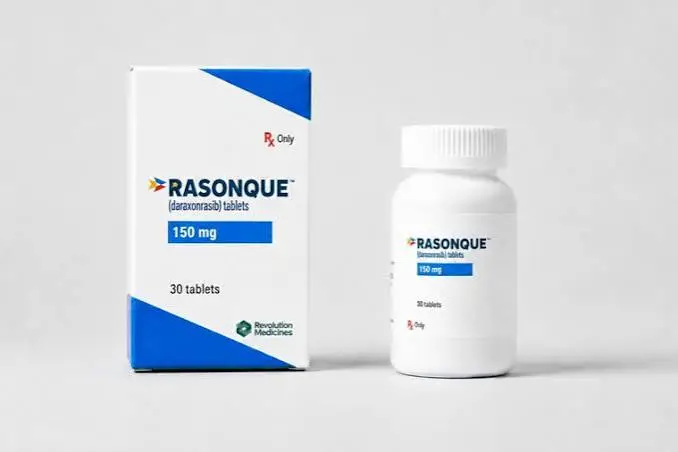
The U.S. Food and Drug Administration (FDA) has approved Revolution Medicines’ RAS inhibitor daraxonrasib for the treatment of patients with metastatic pancreatic cancer, marking a potentially transformative development in a disease historically associated with poor treatment outcomes.
The drug, which will be marketed under the name Rasonque, is an oral therapy intended for patients with previously treated pancreatic adenocarcinoma. The approval follows highly encouraging clinical-trial results presented at the 2026 American Society of Clinical Oncology (ASCO) Annual Meeting, where the therapy generated significant attention from the oncology community.
According to data presented by Revolution Medicines, daraxonrasib demonstrated substantial improvements in survival outcomes, including a doubling of progression-free survival in the relevant study population. Earlier Phase 3 results had also shown a significant improvement in overall survival.
A new approach to the “undruggable” RAS pathway
RAS proteins play a central role in the growth and survival of numerous cancers. Mutations affecting the RAS pathway are particularly common in pancreatic cancer, making the pathway an important target for drug developers.
For decades, however, directly targeting RAS has been considered one of oncology’s most difficult challenges.
Revolution Medicines developed daraxonrasib using a different strategy. The drug is designed to promote an interaction between RAS and cyclophilin A, effectively disrupting RAS signaling that cancer cells rely on for growth and proliferation.
The approach represents a new generation of targeted therapies aimed at attacking cancer-driving RAS biology.
Survival gains accompanied by quality-of-life benefits
Beyond extending survival, Revolution Medicines has highlighted improvements in measures of patient quality of life.
Company executives told oncology audiences at ASCO that patients receiving daraxonrasib not only lived longer but also demonstrated favorable outcomes across certain quality-of-life assessments.
For patients with metastatic pancreatic cancer—where treatment options after initial therapy have historically been limited—such results could have important clinical significance.
FDA approval arrives ahead of schedule
The FDA decision came more than six months ahead of the applicable Prescription Drug User Fee Act (PDUFA) deadline, underscoring the agency’s assessment of the therapy’s potential importance.
The application received review through the FDA’s Commissioner’s National Priority Voucher program, a mechanism designed to accelerate regulatory review of certain potentially important medical products.
FDA oncology officials described the results as unprecedented in an area characterized by substantial unmet medical need.
Revolution Medicines expands its RAS strategy
The approval of Rasonque is only one part of Revolution Medicines’ broader strategy around RAS-targeted cancer therapies.
The company has also advanced zoldonrasib, another RAS inhibitor using a related molecular approach, into Phase 3 clinical development for pancreatic cancer.
Revolution Medicines is simultaneously evaluating additional RAS-directed candidates across multiple cancer types.
The expanding pipeline reflects the intense competition surrounding RAS biology, an area that has attracted substantial investment from biotechnology and pharmaceutical companies worldwide.
What comes next?
While the FDA approval represents a major milestone, Revolution Medicines is already looking beyond the current treatment setting. The company is pursuing studies designed to determine whether Rasonque can benefit patients earlier in the course of pancreatic cancer treatment.
If successful, expansion into earlier lines of therapy could substantially increase the number of patients eligible for treatment.
For pancreatic cancer patients and the wider oncology field, the approval represents more than the arrival of another cancer drug. It signals growing evidence that one of cancer biology’s most challenging targets—the RAS pathway—can be successfully attacked with precision medicines.
PharmaDesk Perspective:
The development of Rasonque highlights the accelerating shift toward molecularly targeted oncology. If the clinical benefits seen in later-stage disease translate into earlier treatment settings, RAS-directed therapies could become an increasingly important component of pancreatic cancer care.
Source: FDA and information reported by Fierce Pharma/Fierce Biotech. This article has been independently rewritten by JaanoAndSeekho.in PharmaDesk