




FDA Approves Priovant’s Lisraya for Rare Autoimmune Skin and Muscle Disease
Roivant-backed therapy becomes the first targeted treatment approved for adults with dermatomyositis
By PharmaDesk International | JaanoAndSeekho.in
August 28, 2026
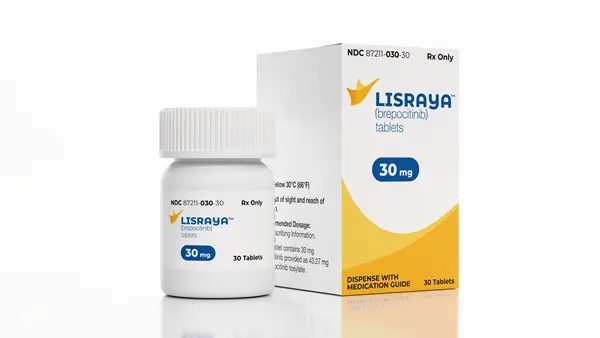
The U.S. Food and Drug Administration (FDA) has approved brepocitinib, a dual TYK2/JAK1 inhibitor developed by Roivant-backed Priovant Therapeutics, for adults with dermatomyositis (DM)—a rare autoimmune disease that can cause progressive muscle weakness along with painful, itchy and extensive skin lesions.
The medicine will be marketed in the United States under the brand name Lisraya and is administered as a once-daily oral treatment.
The approval marks a significant milestone in dermatomyositis treatment, as Lisraya becomes the first targeted therapy specifically approved for the disease. Dermatomyositis has traditionally been managed with treatments including prolonged courses of high-dose corticosteroids and other non-targeted immunosuppressive medicines.
A new targeted approach for dermatomyositis
Dermatomyositis is a chronic autoimmune condition that affects muscles and skin. Beyond muscle weakness and impaired physical function, patients can experience significant pain, skin inflammation, sensitivity to light and touch, and visible skin changes that can substantially affect quality of life.
Priovant said Lisraya’s approval provides physicians with a targeted treatment option that can be used either as an alternative therapy or alongside existing non-targeted medicines.
The FDA label allows use in adult patients without restrictions based on disease activity, clinical presentation or previous treatment history, according to the company.
Phase 3 data underpin approval
The regulatory decision was supported by results from Priovant’s VALOR Phase 3 trial, described by the company as the largest clinical study conducted to date in dermatomyositis.
The study enrolled 241 patients and compared two doses of brepocitinib with placebo over one year.
Patients receiving the higher dose achieved a mean Myositis Total Improvement Score (TIS) of 46.5, compared with 31.2 among placebo-treated patients, allowing the trial to meet its primary endpoint.
According to Priovant, improvements were observed as early as four weeks after treatment began, increased over time and were maintained through the end of the study.
The company also reported that 55% of patients receiving Lisraya achieved moderate or greater improvement in TIS while using minimal or no steroids at the end of the study, compared with 30% in the control group.
Patient-reported improvements add to the picture
Clinical measurements were not the only positive signal from the trial.
Priovant reported that patients receiving Lisraya described substantially greater improvements in their perception of overall disease activity compared with those receiving placebo.
The findings are particularly important in a disease where improvements in muscle function, physical independence and daily activities can have a meaningful effect on patients’ lives.
For people living with dermatomyositis, reducing reliance on long-term high-dose steroids could also be clinically significant, given the well-established risks associated with prolonged corticosteroid exposure.
Safety remains an important consideration
Despite its potential benefits, Lisraya belongs to the JAK inhibitor family and therefore carries significant safety considerations.
The therapy’s labeling includes a boxed warning concerning serious infections, mortality, malignancies, major adverse cardiovascular events and thrombosis.
In the VALOR study, commonly reported adverse reactions included upper respiratory tract infections, headache, fatigue, urinary tract infections, nausea and influenza, among others.
Physicians will therefore need to balance the potential benefits of targeted treatment against individual patient risk factors and the known safety profile of JAK-directed therapies.
From Pfizer asset to Priovant milestone
The approval also represents an important chapter in the drug’s corporate history.
Priovant was established by Roivant Sciences in 2022 following a collaboration with Pfizer involving brepocitinib and another TYK2 inhibitor, ropsacitinib.
The molecule’s development journey was not without setbacks. A Phase 2 lupus study failed in 2023, creating uncertainty around the asset’s wider autoimmune potential.
Priovant subsequently focused its late-stage development strategy on dermatomyositis, where the drug ultimately produced the clinical results that led to FDA approval.
More indications ahead
The company is not stopping with dermatomyositis.
Brepocitinib is also being evaluated in noninfectious uveitis, where it has reached Phase 3 development. Priovant has additionally begun enrolling patients in a late-stage study investigating the drug in cutaneous sarcoidosis.
Success across additional indications could significantly broaden the commercial and therapeutic potential of the molecule.
PharmaDesk Perspective
The approval of Lisraya illustrates the growing shift toward disease-specific targeted therapies in rare autoimmune disorders.
For the dermatomyositis community, the significance extends beyond the arrival of another oral medicine. The therapy introduces a treatment designed to intervene in specific immune pathways underlying the disease, while potentially reducing dependence on conventional steroid-based approaches.
The challenge now will be translating clinical-trial results into long-term real-world benefits while carefully managing the safety risks associated with JAK inhibition.
If Lisraya succeeds in establishing a role across dermatomyositis and additional autoimmune conditions, the Priovant program could become an important example of how previously challenged drug assets can be repositioned and successfully advanced to regulatory approval.
Source: U.S. FDA and information reported by Fierce Pharma/Fierce Biotech. This article has been independently rewritten and formatted for JaanoAndSeekho.in PharmaDesk.