





Why Building Muscle Is the Ultimate Lifetime Investment: Strength Training for a Leaner, Healthier, and More Capable You
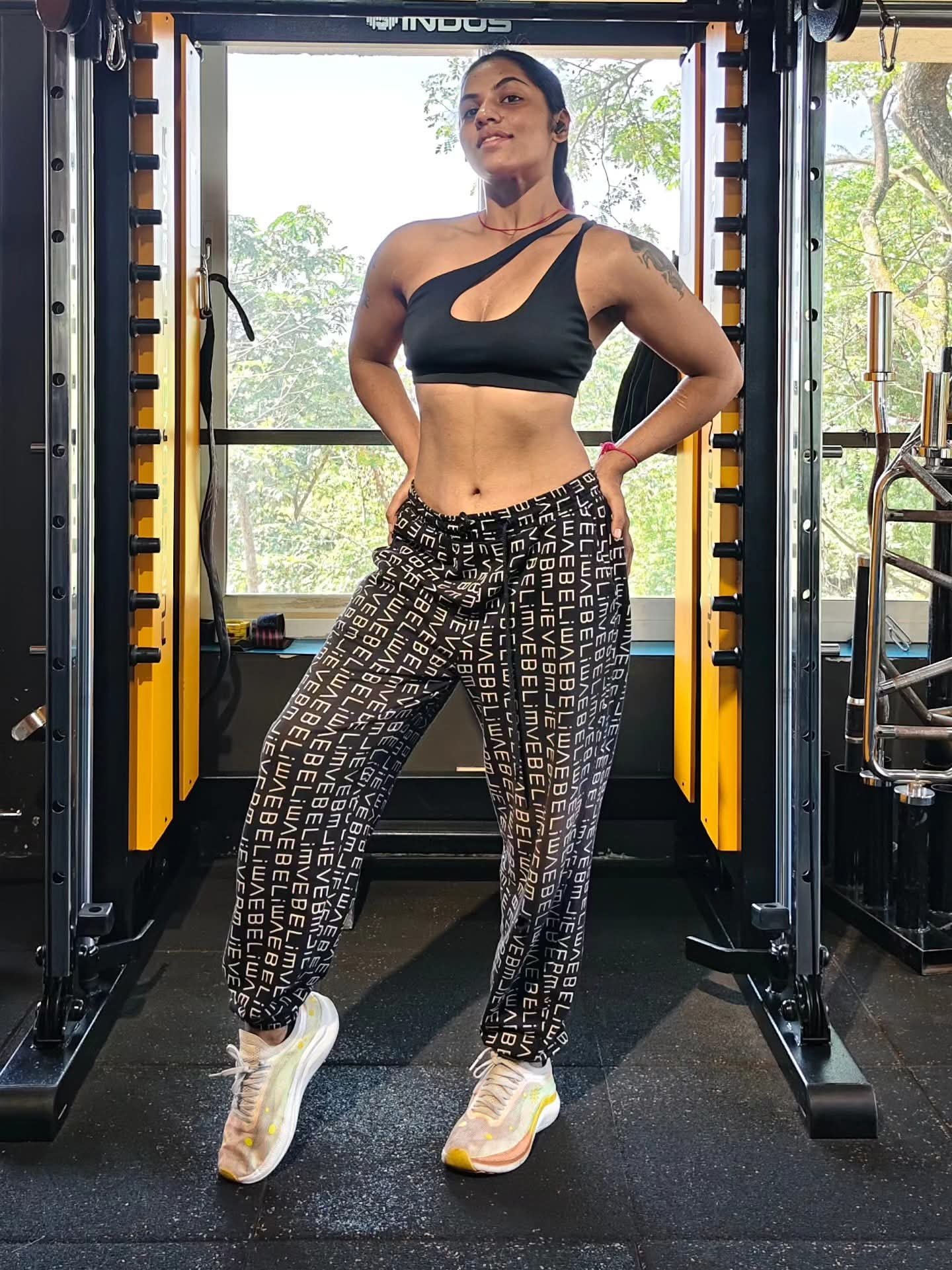
By Archana Tiwari, Fitness & Nutrition Consultant, Fittr
In an era where fitness trends often glorify rapid weight loss, detox teas, and shrinking dress sizes, one critical truth is often overlooked: muscle is one of the most valuable long-term assets your body can build.
Being “skinny” is no longer the gold standard of health. Today, science-backed fitness emphasizes something far more sustainable and powerful—strength, functionality, lean muscle mass, and metabolic health.
Muscle isn’t just about aesthetics. It is about longevity, resilience, independence, hormonal health, and disease prevention.
For every age group, from young adults to older individuals, strength training is not optional—it is essential.
The Shift from Skinny to Strong: Why Muscle Matters More Than Ever
For decades, many people associated fitness solely with weight loss. The goal was often to weigh less, eat less, and become smaller.
However, modern exercise science reveals that body composition matters far more than body weight.
Why Muscle Is a Lifetime Asset:
1. Higher Metabolic Rate
Muscle tissue is metabolically active, meaning it burns more calories at rest compared to fat tissue.
- Increased resting energy expenditure
- Better fat management
- Improved insulin sensitivity
- Reduced risk of obesity
The more lean muscle you maintain, the easier it becomes to sustain healthy body composition.
2. Healthy Aging and Longevity
After age 30, individuals naturally begin losing muscle mass, a process called sarcopenia.
Without resistance training:
- Strength declines
- Bone density decreases
- Mobility suffers
- Injury risk rises
- Independence reduces with age
Strength training slows and even reverses this decline, allowing people to remain functional and active throughout life.
3. Hormonal and Mental Health Benefits
Regular strength training supports:
- Testosterone optimization
- Estrogen balance
- Better cortisol regulation
- Improved mood
- Reduced anxiety
- Enhanced confidence
Muscle-building workouts stimulate endorphins while also improving body image and mental resilience.
Why Random Workouts Deliver Random Results
Many gym-goers spend months or years exercising without significant progress because they lack structure.
Walking into the gym and performing random exercises may burn calories temporarily, but without progressive planning, real transformation is unlikely.
Common Mistakes:
- Copying others’ routines
- Ignoring strength progression
- Poor posture
- Incorrect lifting form
- Lack of recovery
- Inconsistent nutrition
- Frequent program hopping
These habits often lead to:
- Plateaus
- Injury
- Frustration
- Wasted effort
The Importance of Structured Strength Training
A well-designed fitness journey begins with clarity.
Step 1: Define Your Goal
Are you aiming for:
- Fat loss
- Muscle gain
- Body recomposition
- Improved athleticism
- Better health markers
Your training and nutrition plan should align specifically with your outcome.
Step 2: Follow Progressive Overload
To build muscle and strength, the body must gradually face increasing resistance.
This includes:
- Increasing weights
- Improving repetitions
- Enhancing form
- Controlled tempo
- Better movement quality
Progressive overload is the cornerstone of muscular development.
Step 3: Prioritize Form Over Ego
Lifting heavier weights with poor technique often causes:
- Joint pain
- Lower back issues
- Shoulder injuries
- Knee strain
Correct posture, movement correction, and exercise execution are essential for sustainable results.
Nutrition: The Foundation of Strength
No training plan can outwork poor nutrition.
Key Principles:
Protein Intake
Protein supports muscle repair and growth.
High-quality sources include:
- Eggs
- Chicken
- Fish
- Lentils
- Paneer
- Greek yogurt
- Whey protein
Balanced Macronutrients
For optimal performance:
- Protein for recovery
- Carbohydrates for energy
- Healthy fats for hormones
Crash dieting may cause temporary weight loss but often sacrifices muscle.
Hydration and Recovery
Muscle growth occurs during recovery, not just during workouts.
Prioritize:
- Sleep (7–8 hours)
- Water intake
- Stress management
- Rest days
Strength Training for Women: Breaking the Myths
Many women still fear lifting weights due to outdated misconceptions about becoming “bulky.”
In reality:
- Women naturally have lower testosterone levels
- Strength training creates lean, toned physiques
- It improves bone density
- Supports postpartum recovery
- Helps during perimenopause and menopause
- Reduces PCOS-related metabolic challenges
Strength training empowers women physically and mentally.
Strength Training Across All Age Groups
Young Adults
- Build peak muscle mass
- Improve confidence
- Prevent future metabolic issues
Middle Age
- Preserve muscle
- Support hormonal health
- Combat fat gain
Seniors
- Maintain mobility
- Prevent falls
- Enhance independence
Muscle truly becomes a retirement investment.
Mindset: The Real Transformation Begins Here
Physical change starts in the mind.
Without a strong mindset:
- Motivation fades
- Discipline weakens
- Shortcuts become tempting
A successful transformation requires:
- Patience
- Consistency
- Discipline
- Self-belief
- Long-term vision
When your mindset evolves from “quick fixes” to “lifetime health,” everything changes.
Train Smart, Not Just Hard
Results are not created overnight.
They are built through:
Smart Training:
- Structured programming
- Strength progression
- Mobility work
- Technique mastery
Smart Nutrition:
- Sustainable diet habits
- Protein focus
- Calorie awareness
Smart Lifestyle:
- Recovery
- Sleep
- Stress management
The Bottom Line: Build Strength for Life
Muscles are not temporary.
They are not vanity.
They are protective armor for your future health.
The goal should never be to simply weigh less.
The goal should be to become:
- Stronger
- Leaner
- Healthier
- More functional
- More confident
Your body is your lifelong home.
Invest in muscle.
Invest in strength.
Invest in capability.
Because true fitness is not about becoming smaller—it’s about becoming better.
Final Words from Archana Tiwari
Don’t chase random workouts or unrealistic shortcuts.
Set clear goals.
Follow structured plans.
Focus on posture, technique, nutrition, and consistency.
Most importantly, transform your mindset.
Train smart. Stay consistent. Trust the process.
Because muscles are one of the few assets that continue to pay dividends for life.