





Why Am I Gaining Weight Even Though I’m Eating Less?
The Perimenopause Metabolism Shift Every Woman Should Understand
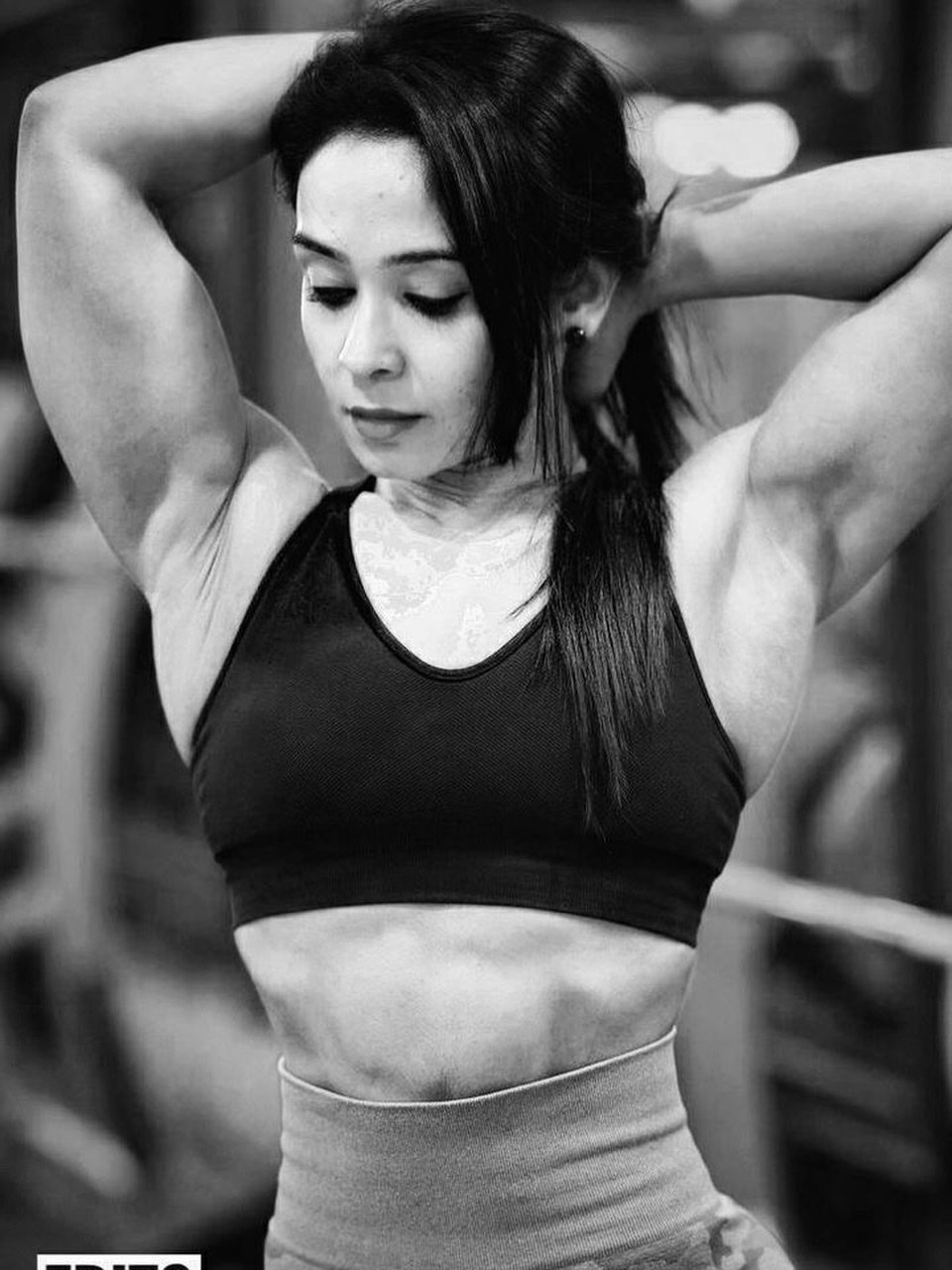
By Sushma Pachouri
Elite Plus Coach | FITTR Coach | Women’s Health & Lifestyle Coach
Why Am I Gaining Weight Even Though I’m Eating Less?
“I’m eating less than I used to… so why am I still gaining weight?”
It’s one of the most common questions I hear from women in their 40s.
And if you’re approaching your late 40s—as I am, turning 49 very soon ❤️—this question may feel deeply personal.
For many years, we were told that weight management was simple: eat less and move more. While that advice may have worked in our 20s and 30s, perimenopause changes the conversation.
If your body suddenly feels unfamiliar, you’re not imagining it.
The truth is, your body isn’t failing you. It’s adapting to one of the biggest hormonal transitions of your life.
Understanding what’s happening can replace frustration with confidence—and help you work with your body instead of constantly fighting against it.
What Is Perimenopause?
Perimenopause is the transitional phase before menopause, often beginning in a woman’s early to mid-40s, although it can start earlier.
During this stage, hormone levels—particularly oestrogen and progesterone—begin to fluctuate. These changes don’t just affect menstrual cycles. They influence nearly every system involved in metabolism, appetite, sleep, energy levels and body composition.
This is why many women suddenly notice changes even though their eating habits haven’t changed dramatically.
Why Eating Less Doesn’t Always Mean Losing Weight
Many women respond to unexpected weight gain by reducing their food intake even further.
Unfortunately, this often creates another problem.
When calorie intake stays too low for prolonged periods, the body doesn’t simply burn more fat. It also starts breaking down muscle tissue.
Muscle is metabolically active. The more muscle you have, the more calories your body burns throughout the day—even while resting.
Losing muscle means your daily energy expenditure gradually decreases.
As a result, eating less may eventually produce smaller and smaller results, creating a cycle that feels impossible to escape.
The Hormonal Changes Behind Midlife Weight Gain
Declining Oestrogen Changes Fat Distribution
One of the most noticeable effects of declining oestrogen is where the body prefers to store fat.
Many women who never struggled with abdominal fat suddenly notice:
- A thicker waistline
- Increased belly fat
- Clothes fitting differently despite similar body weight
This isn’t simply about calories.
Hormonal changes alter how fat is stored and how efficiently the body uses energy.
Muscle Loss Happens Naturally
After the age of 35, adults gradually lose muscle mass unless they actively work to maintain it.
During perimenopause, this process accelerates.
Without regular resistance training and adequate protein intake, women can lose significant lean muscle over time.
Less muscle means:
- Lower metabolic rate
- Reduced strength
- Lower daily calorie burn
- Greater difficulty maintaining body weight
Blood Sugar Regulation Changes
Hormonal fluctuations can also affect insulin sensitivity.
When the body becomes less efficient at managing blood sugar, it becomes easier to store excess energy as body fat.
This often explains why women experience stronger cravings, fluctuating energy levels and increased abdominal fat despite eating similar foods.
Signs Your Body Is Responding to Perimenopause
If you’ve been wondering why your previous routines no longer work, you may recognise several of these changes:
Weight gain despite eating the same
The number on the scale slowly increases without any obvious reason.
Stubborn belly fat
Fat begins accumulating around the abdomen, even if you’ve never carried weight there before.
Slower progress
The workouts and meal plans that once delivered quick results now seem far less effective.
Lower energy
Fatigue makes it harder to stay active, recover from exercise and remain consistent.
These experiences are incredibly common—and they’re not a sign that you’ve lost discipline.
Stop Punishing Your Body. Start Supporting It.
Perimenopause isn’t a battle to win.
It’s a phase to understand.
Rather than trying to eat less and exercise more aggressively, your goal should shift towards protecting muscle, supporting hormones and improving metabolic health.
Five Strategies That Actually Work During Perimenopause
1. Prioritise Protein
Protein becomes one of the most important nutrients during midlife.
Adequate protein helps preserve muscle, supports recovery, improves satiety and contributes to healthy metabolism.
Aim to include a quality protein source with every meal.
2. Strength Train Two to Four Times Each Week
Resistance training is one of the most powerful tools available during perimenopause.
It helps:
- Preserve muscle mass
- Increase strength
- Improve bone health
- Support long-term metabolic function
- Reduce age-related muscle loss
Remember, strength training isn’t about becoming bulky.
It’s about staying capable, energetic and independent for decades to come.
3. Eat More Fibre
Fibre supports digestive health, improves blood sugar control and helps keep you feeling full between meals.
Include vegetables, fruits, legumes, oats, seeds and whole grains regularly.
4. Make Sleep a Priority
Poor sleep increases hunger hormones, affects food choices and makes recovery more difficult.
Aim for consistent sleep routines and create an environment that supports quality rest.
5. Manage Stress
Chronic stress influences cortisol levels, appetite and fat storage.
Simple daily habits such as walking, meditation, breathing exercises or spending time outdoors can make a meaningful difference.
Healthy Ageing Means Changing Your Strategy
One of the biggest mindset shifts during perimenopause is accepting that the body doesn’t need punishment.
It needs support.
Instead of asking:
“Why isn’t my body behaving the way it used to?”
Try asking:
“What does my body need from me now?”
That small shift changes everything.
Healthy ageing isn’t about trying to look twenty-five forever.
It’s about becoming stronger, healthier and more resilient with every passing year.
The Bottom Line
Perimenopause changes your hormones—but it doesn’t take away your ability to stay healthy, build strength or lose body fat.
It simply requires a different approach.
Eat enough to nourish your body.
Lift weights.
Prioritise protein.
Sleep well.
Manage stress.
Most importantly, give yourself grace.
Your body isn’t working against you.
It’s simply asking you to evolve alongside it.
And that’s something every woman is capable of doing.
About the Author
Sushma Pachouri is an Elite Plus Coach, FITTR Coach, and women’s health advocate dedicated to helping women over 40 build sustainable fitness habits through evidence-based nutrition, strength training, and lifestyle coaching. Her philosophy centres on healthy ageing, metabolic health, and empowering women to thrive through every stage of midlife.
Keywords: perimenopause weight gain, why am I gaining weight eating less, menopause weight loss, women over 40 metabolism, hormonal weight gain, strength training for women over 40, healthy ageing, muscle loss in perimenopause, protein for women over 40, women’s metabolic health.