






Haritha: The Science and Strength Behind a Woman’s Fitness Journey
Beyond aesthetics, strength training is changing the way women understand fitness, health and their own bodies
There is a particular kind of confidence that comes from being physically strong.
It isn’t always loud. It doesn’t need to announce itself.
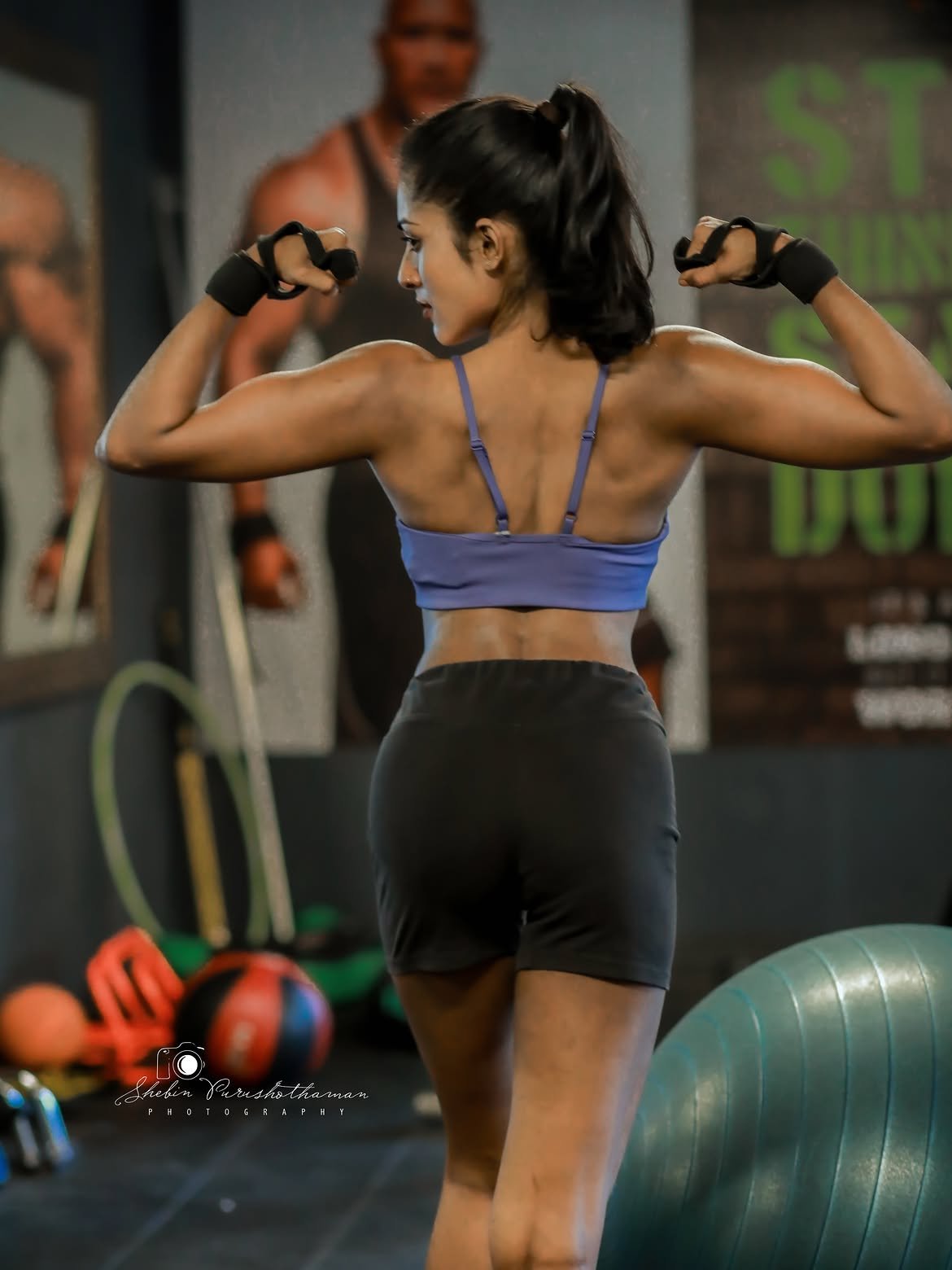
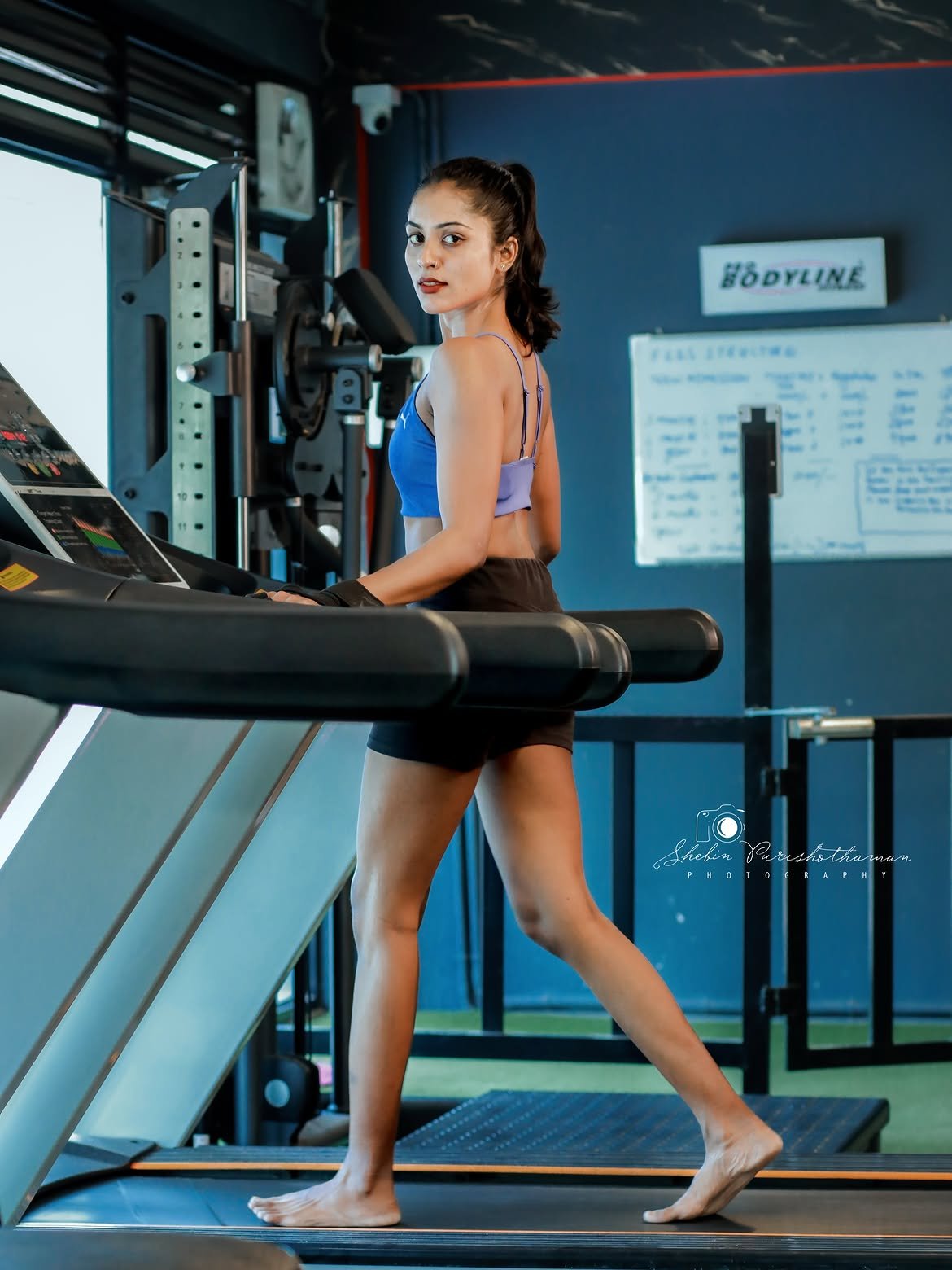
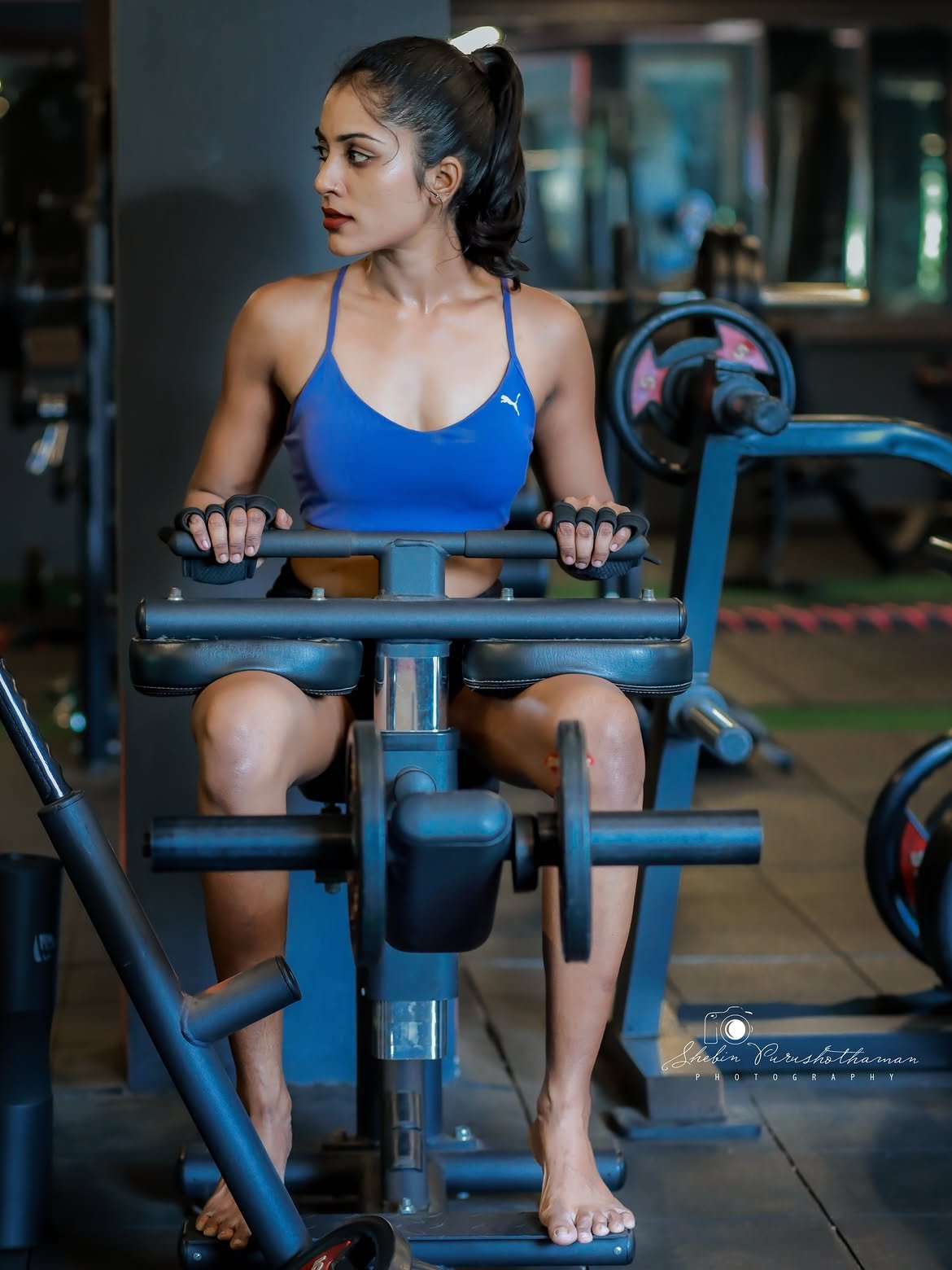
Sometimes, it looks like Haritha standing in a gym, hands wrapped around a piece of equipment, completely focused on the movement. Sometimes it looks like walking on a treadmill, working through resistance exercises or simply holding a position with control.
Her photographs capture the visible side of fitness. But behind those images is something much more interesting: the physiology of a body adapting to regular physical stress.
That is what training really is.
You give the body a stimulus. The body responds. You recover. You come back and gradually ask it to do a little more.
Over time, strength improves, movement becomes more efficient and physical capacity expands.
And for women, that process has implications that extend far beyond having a toned physique.
The shift from “thin” to strong
For decades, women’s fitness culture was heavily centred around weight loss.
The conversation was often about calories, smaller measurements and burning as much energy as possible.

Strength training changes that conversation.
Instead of asking only, “How much weight have I lost?”, women begin asking:
How much stronger am I?
Can I lift more than I could six months ago?
Has my endurance improved?
Do I move better?
Do I feel more capable?
That is an important psychological shift.
A woman’s body is not simply something to be made smaller. It is a living, adaptable system of muscles, bones, connective tissue, cardiovascular capacity and nervous-system control.
Training gives that system a reason to adapt.
What actually happens when a woman strength trains?
Strength training places mechanical tension on muscle tissue.
When an exercise is performed against resistance, the nervous system has to recruit motor units — groups of muscle fibres controlled by motor neurons — to produce force.
In the early stages of training, some of the improvement in strength comes from neural adaptations. The brain and nervous system become better at recruiting and coordinating the available muscle.
With continued training, structural adaptations become increasingly important. Muscle fibres can increase in size, a process known as hypertrophy, when training stimulus, nutrition and recovery are sufficient.
This is why progressive resistance training works.
The body is remarkably economical. If a physical demand repeatedly exceeds what it is accustomed to doing, it adapts so that the same demand becomes easier.
That principle can be seen throughout Haritha’s training environment — whether she is using resistance machines, working with equipment or incorporating conditioning into her session.
The objective isn’t simply to finish a workout.
It is to create a stimulus that the body can learn from.
Why women should not be afraid of lifting
One of the most persistent misconceptions in women’s fitness is the fear that lifting weights will automatically make a woman “too bulky.”
Physiologically, significant muscle gain is not an overnight consequence of resistance training.
Building substantial muscle requires consistent training over time, appropriate nutritional support and sufficient recovery. The response also varies considerably between individuals.
For most women, resistance training is much more likely to produce improvements in strength, muscle quality and body composition than an uncontrolled transformation into an exaggerated muscular physique.
Recent research specifically examining women across the lifespan reinforces the value of resistance training for improving muscular strength and body composition. (PubMed)
The important point is simple:
Women do not need to train like men to benefit from strength training.
They need a well-designed programme appropriate to their goals, training age, health status and lifestyle.
Strong muscles are only one part of the story
Muscle is metabolically active tissue, but its importance goes beyond metabolism.
Skeletal muscle plays a central role in movement, glucose disposal, physical function and the ability to perform everyday activities.
During resistance exercise, muscle contractions increase glucose uptake. Over time, regular physical activity and resistance training can contribute to better metabolic health, particularly when combined with appropriate nutrition, sleep and overall activity.
This matters because metabolic health is not simply a concern for athletes.
It matters to the woman working at a desk all day.
The mother carrying a child.
The professional travelling frequently.
The woman approaching menopause.
The older woman who wants to remain independent.
Fitness is ultimately about maintaining the capacity to live one’s life.
The overlooked connection: women, strength and bone health
Perhaps one of the most important reasons women should take resistance training seriously has nothing to do with appearance.
It is bone health.
Bone is living tissue. It responds to mechanical loading.
When muscles contract and the skeleton experiences appropriate mechanical forces, those forces contribute to the signalling environment involved in bone remodelling.
This becomes particularly important as women age and hormonal changes associated with menopause can accelerate bone loss.
Research has found beneficial effects of resistance training on bone mineral density in postmenopausal women, although the size of the effect varies according to the training programme and skeletal site. A 2025 systematic review and meta-analysis of 17 randomised controlled trials involving 690 postmenopausal women reported improvements in bone mineral density at the lumbar spine, femoral neck and total hip. (PubMed)
Earlier systematic evidence has similarly supported a positive relationship between resistance exercise and bone mineral density in women. (PubMed)
That makes strength training more than a physique tool.
It becomes part of a long-term strategy for maintaining physical resilience.
Fitness should include more than the mirror
Haritha’s photographs also show something important about modern fitness: strength and cardiovascular conditioning do not have to compete.
A complete fitness programme can include resistance training, aerobic activity, mobility work, balance and recovery.
The World Health Organization recommends that adults accumulate 150–300 minutes of moderate-intensity aerobic activity per week, or 75–150 minutes of vigorous activity, together with muscle-strengthening activities involving the major muscle groups on at least two days each week. (World Health Organization)
These are population-level guidelines, not a prescription that every woman must follow identically.
Training should be individualised.
Someone starting from a sedentary lifestyle may need a very different programme from an experienced gym-goer.
The smartest approach is usually progressive rather than extreme.
Start with what the body can handle.
Learn the movement.
Build consistency.
Increase the challenge gradually.
Allow recovery.
Repeat.
Progressive overload: the science behind getting stronger
One of the fundamental principles visible in serious resistance training is progressive overload.
If the same workout is performed indefinitely without any change in stimulus, the body eventually becomes highly efficient at handling it.
Progress can come from several variables:
- increasing resistance
- performing additional repetitions
- improving range of motion
- increasing training volume
- improving technique
- controlling tempo
- reducing unnecessary rest where appropriate
- progressing to a more challenging variation
This does not mean adding weight every single workout.
In fact, chasing heavier numbers without adequate technique can be counterproductive.
Good programming balances stimulus with recovery.
That distinction separates training from simply exercising.
Exercise is movement.
Training is planned movement designed to create adaptation.
Recovery is part of the programme
There is another side of fitness that photographs rarely capture.
Recovery.
Muscle adaptation does not occur simply because someone worked hard. The body needs time and resources to repair and remodel tissue after training.
Sleep, adequate nutrition, hydration and appropriate spacing between demanding sessions all contribute to recovery.
For women, the broader physiological context can matter as well. Menstrual status, pregnancy, postpartum changes, menopause, energy availability, stress and individual health conditions can influence how training should be structured.
This is one reason there should never be a universal “perfect” workout for every woman.
The best programme is one that respects the person doing it.
The importance of training through different stages of life
Fitness does not have an expiration date.
A woman’s reasons for training may change with age, but the value of maintaining strength remains.
In younger adulthood, resistance training can help develop muscular strength and physical capacity.
During the reproductive years, training can support overall fitness while programmes may need to adapt around pregnancy, postpartum recovery or changing schedules.
During perimenopause and menopause, maintaining muscle and bone health becomes increasingly relevant.
Later in life, strength becomes closely connected to independence — the ability to rise from a chair, climb stairs, carry objects, maintain balance and continue participating in everyday life.
In other words, strength training is not just about building today’s body.
It is an investment in the body a woman will need years from now.
What Haritha’s photographs really represent
The most striking thing about Haritha’s images is not one particular pose.
It is the variety.
She is seen working with equipment, walking, training different muscle groups and engaging with the gym environment in different ways. Together, the images tell a more complete story than a traditional “before and after” photograph ever could.
Fitness isn’t one exercise.
It is a system.
Strength.
Cardiovascular fitness.
Mobility.
Coordination.
Recovery.
Nutrition.
Consistency.
Mental resilience.
Each supports the others.
And while the physical changes may eventually become visible, some of the most meaningful adaptations remain invisible.
A stronger heart.
More efficient movement.
Greater muscular capacity.
Better physical confidence.
Improved functional ability.
A body that can tolerate more.
The real measure of progress
Perhaps the healthiest way to look at a fitness journey is to stop expecting every result to appear on the weighing scale.
Body weight fluctuates.
Water changes.
Hormones fluctuate.
Muscle can increase while fat decreases.
Training can improve performance without dramatically changing body weight.
That is why performance markers can be valuable.
How much can you lift?
How many quality repetitions can you perform?
Can you walk or run farther?
Has your balance improved?
Can you recover more easily?
Do everyday tasks feel easier?
These are meaningful forms of progress.
The mirror tells only one part of the story.
Strength as self-respect
There is something deeply personal about choosing to train.
It requires a woman to make time for herself in a world that often asks her to put everyone and everything else first.
A workout does not have to be perfect.
It does not have to be an hour.
It does not have to be the hardest session of her life.
What matters is building a relationship with movement that can survive real life.
Some days will be powerful.
Some will be ordinary.
Some will feel difficult.
And occasionally, simply showing up will be the achievement.
That is not failure.
That is what consistency actually looks like.
The new definition of fitness
Haritha’s fitness journey offers a useful reminder of where the conversation around women’s fitness needs to go.
Away from punishment.
Away from obsession with the weighing scale.
Away from the idea that women should exercise simply to take up less space.
And towards strength, health, longevity and capability.
A fit woman is not defined only by visible muscle or a particular body shape.
She is defined by what her body allows her to experience.
To move.
To work.
To travel.
To play.
To lift.
To age with greater physical independence.
To meet the demands of everyday life with confidence.
That is the deeper promise of strength training.
The goal isn’t merely to look strong in a photograph.
It is to build a body that is strong enough for life.
Featured: Haritha
Fitness | Strength Training | Women’s Health & Wellness
Scientific note: The article discusses general evidence on exercise and resistance training. Individual training programmes should be adjusted for age, training experience, pregnancy/postpartum status, injuries and medical conditions in consultation with an appropriately qualified professional.

