






Bodybuilding at 40: The Powerful Reinvention of Strength, Confidence, and Identity
Why More Women Are Choosing Strength Training After Motherhood, Career Pressure, Injuries, and Emotional Burnout
By Swati
There is a silent revolution happening inside gyms around the world.
Not led by teenagers chasing aesthetics.
Not driven by trends or social media validation.
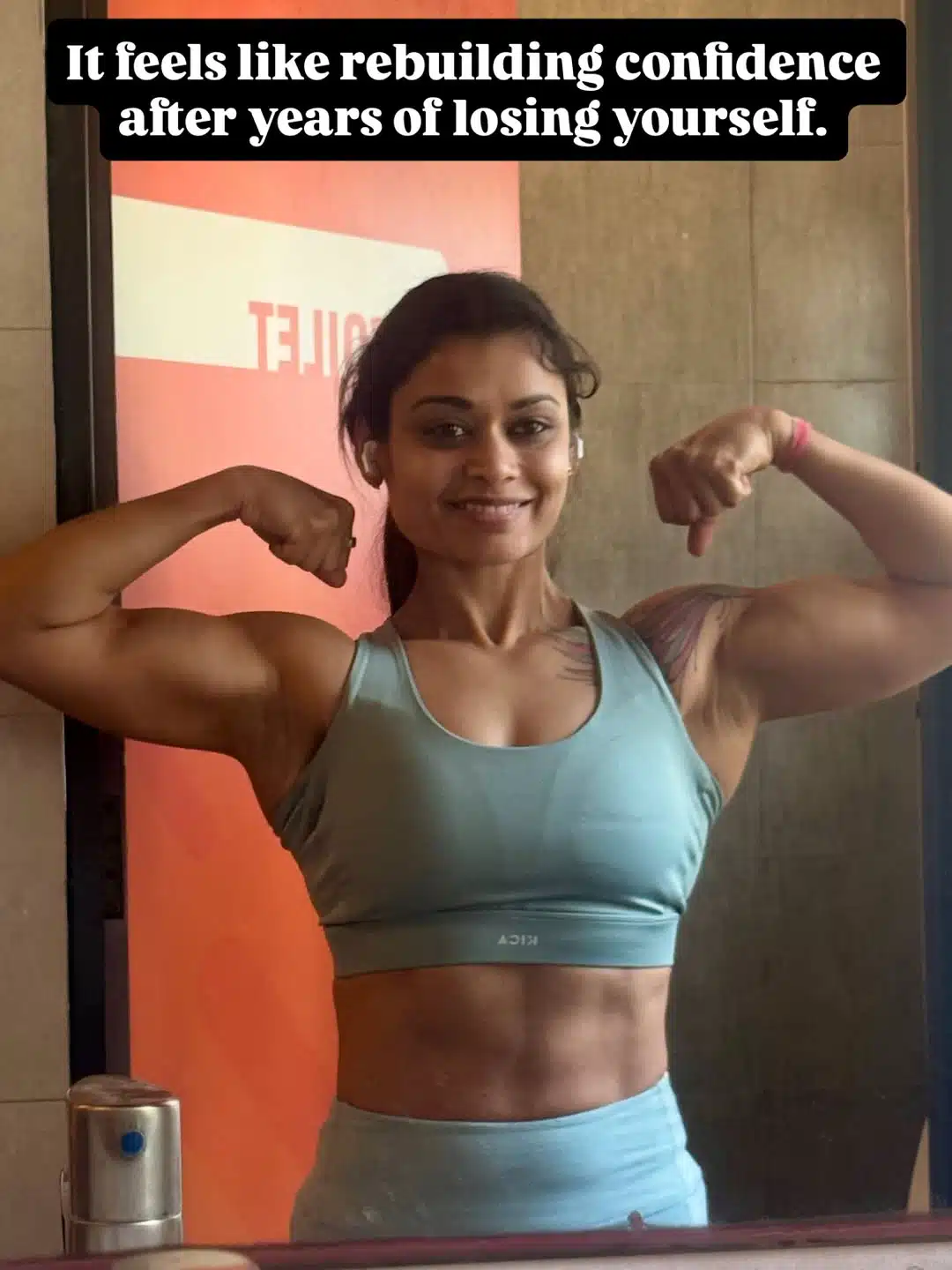
But by women over 40 — mothers, professionals, caregivers, survivors, and dreamers — who are rebuilding themselves from the inside out.
For Swati, bodybuilding at 40 was never simply about muscles or abs. It became a journey of reclaiming identity after years spent carrying responsibilities, emotional burdens, physical changes, injuries, heartbreak, and the invisible exhaustion that many women silently live with every day.
Her transformation represents something much deeper than fitness. It represents rebirth.
The Moment Everything Changes
For many women, life after 35 or 40 can feel emotionally overwhelming. Careers become demanding. Children need attention. Families depend on them constantly. Hormonal changes begin affecting energy, sleep, mood, metabolism, and recovery. Meanwhile, society quietly sends the message that a woman’s “prime” has already passed.
That message is dangerous.
Because the truth is this:
Many women only begin discovering their real strength after 40.
Swati’s journey began during a phase when she realized she had spent years prioritizing everyone else while disconnecting from herself. Like countless mothers and working women, she found herself emotionally drained, physically exhausted, and mentally stuck between responsibilities and self-neglect.
The mirror reflected fatigue.
But inside, there was still fire.
That fire became the starting point of transformation.
Why Bodybuilding After 40 Is Different
Building muscle at 20 and building muscle at 40 are completely different experiences.
At 40, fitness is no longer driven by ego or appearance alone. It becomes intentional. Strategic. Therapeutic. Every workout carries emotional meaning.
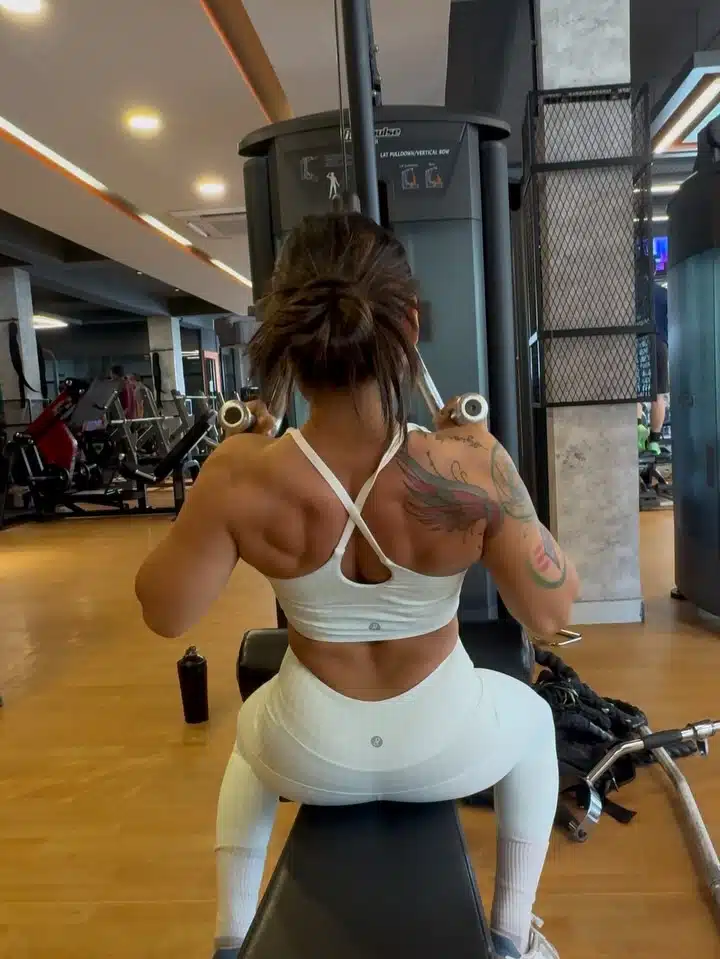
For Swati, bodybuilding became:
- A tool for rebuilding confidence
- A system for restoring discipline
- A pathway toward emotional healing
- A method of improving physical health
- A reminder that she was still capable of growth
Unlike younger athletes who often recover quickly and train aggressively, women over 40 must train intelligently. Recovery, sleep quality, hormonal balance, mobility, joint health, nutrition timing, stress management, and consistency become critically important.
The process teaches patience.
And patience creates mental strength.
The Physical Challenges Women Face After 40
One of the most misunderstood topics in women’s fitness is how dramatically the female body changes after 40.
As estrogen levels fluctuate, many women experience:
- Slower metabolism
- Increased fat storage
- Muscle loss
- Reduced recovery capacity
- Joint stiffness
- Sleep disturbances
- Lower energy levels
- Stress-related weight gain
- Emotional fluctuations
- Reduced bone density
These changes are real. But they are not permanent limitations.
Strength training is one of the most scientifically proven ways to combat age-related decline in women.
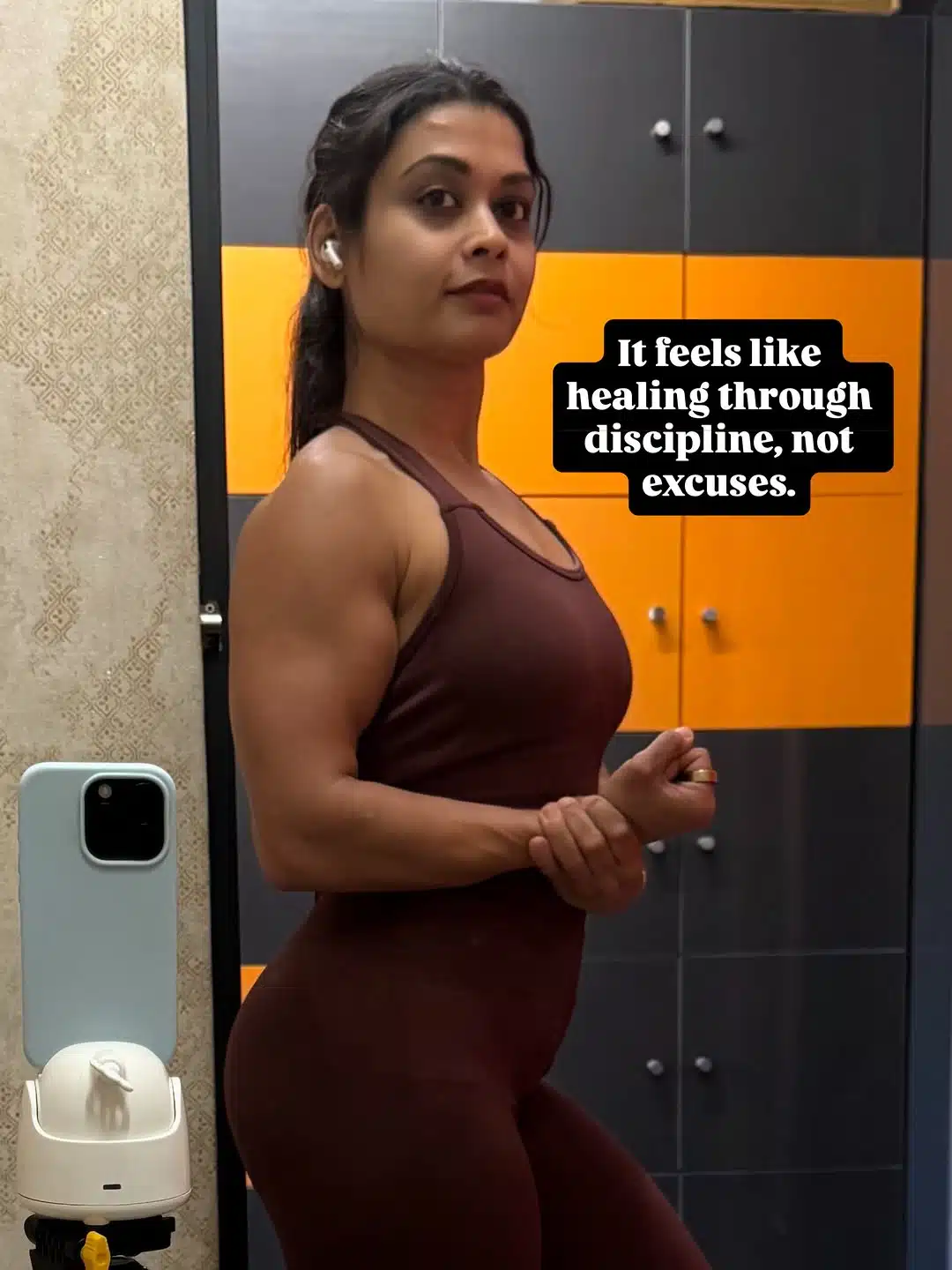
Resistance training helps:
- Build lean muscle mass
- Improve insulin sensitivity
- Increase metabolic rate
- Strengthen bones
- Improve posture
- Reduce injury risk
- Improve hormonal function
- Enhance cardiovascular health
- Support mental well-being
- Increase longevity and functional independence
This is why bodybuilding after 40 is becoming more than a fitness hobby. It is becoming preventive healthcare.
Rebuilding the Body After Motherhood
Motherhood changes a woman physically, emotionally, and hormonally in ways that many people fail to understand.
Pregnancy, postpartum recovery, sleep deprivation, emotional stress, and years of caregiving can create a deep disconnect between women and their own bodies. Many mothers struggle silently with body image, confidence loss, hormonal imbalance, and emotional fatigue.
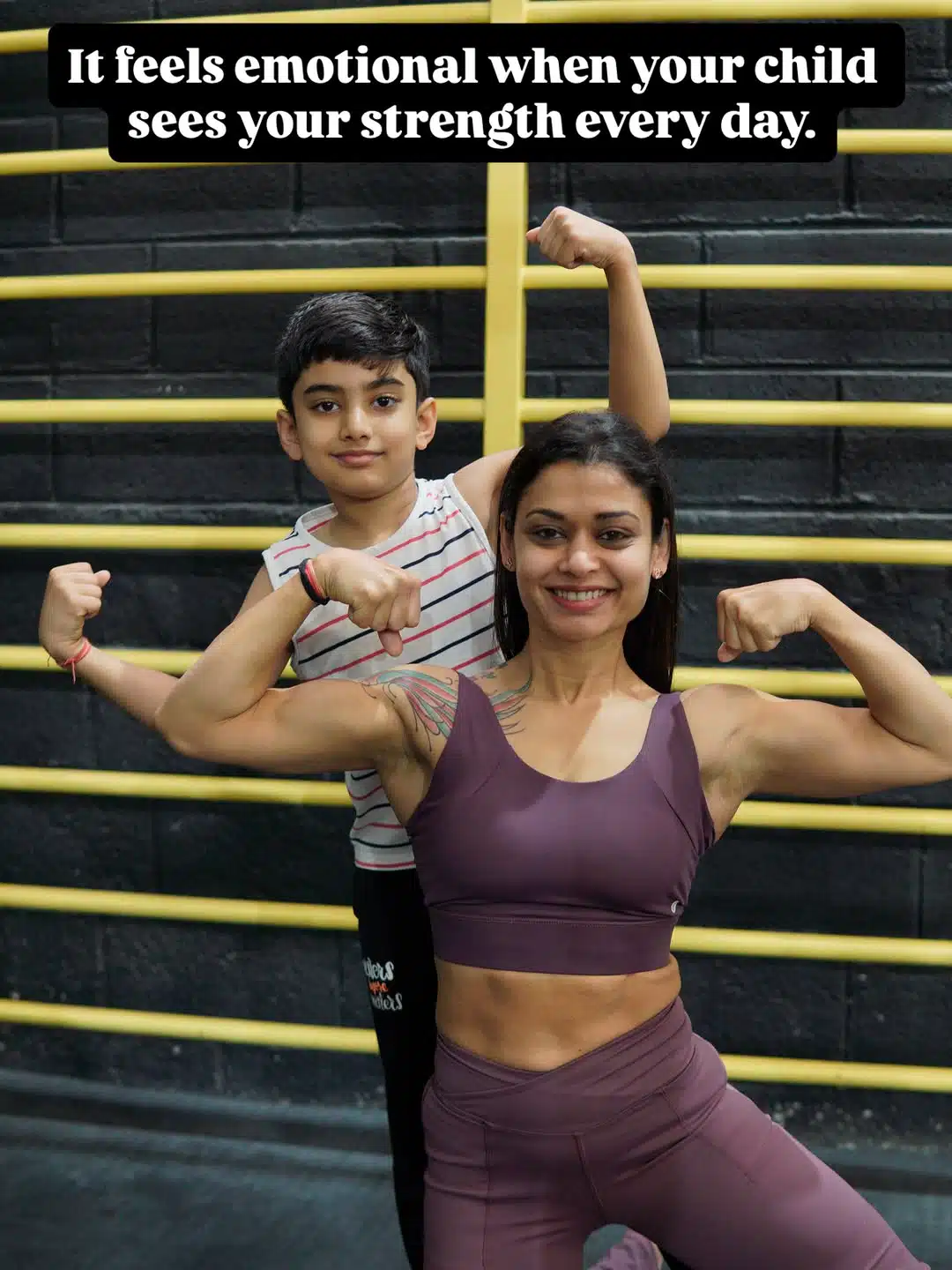
Swati’s story resonates because she openly acknowledges that motherhood changes you — but it does not end you.
Through consistent training, structured nutrition, and disciplined recovery, she slowly rebuilt not only strength but trust in her body again.
Each training session became proof that the body can adapt.
Each meal became an act of self-care.
Each small improvement became emotional healing.
The Hidden Emotional Side of Fitness
What makes bodybuilding transformative is not only physical progress. It is the psychological shift that happens during the process.
Fitness teaches lessons that extend far beyond the gym:
Discipline Over Motivation
Motivation is temporary. Discipline is what carries women through difficult days, emotional stress, hormonal fluctuations, office pressure, and family responsibilities.
Self-Respect Through Consistency
Showing up repeatedly for yourself changes self-worth profoundly.
Emotional Resilience
Training teaches women to tolerate discomfort, setbacks, slow progress, and frustration without quitting.
Mental Clarity
Strength training reduces stress hormones, improves mood, and helps many women regain emotional stability.
Identity Reconstruction
For women who spent years only being identified as “mom,” “wife,” or “employee,” fitness becomes something personal again.
That emotional rebuilding is often more powerful than physical transformation itself.
Balancing Office Life, Nutrition, Recovery, and Family
One of the biggest reasons women quit fitness journeys is not lack of ability — it is exhaustion from trying to balance everything.
Swati’s transformation did not happen in isolation. She trained while managing work responsibilities, family expectations, emotional stress, recovery challenges, and motherhood simultaneously.
This is what makes her journey relatable.
She did not wait for perfect circumstances.
She built strength inside imperfect circumstances.
Her routine demanded:
- Early morning workouts
- Meal preparation despite busy schedules
- Consistent protein intake
- Sleep prioritization
- Hydration discipline
- Recovery management
- Stress control
- Time management
- Emotional resilience during setbacks
Fitness after 40 is not about having extra time.
It is about choosing yourself despite limited time.
Why More Women Over 40 Are Choosing Strength Training
Across the world, women over 40 are increasingly entering gyms, joining strength programs, and embracing bodybuilding because they are realizing something important:
Cardio alone is not enough anymore.
Women today want strength.
They want energy.
They want mobility.
They want longevity.
They want confidence.
They want independence.
Strength training helps women feel powerful instead of fragile.
And culturally, this shift is revolutionary.
For decades, women were encouraged to become smaller.
Now they are choosing to become stronger.
Breaking Society’s Expectations
One of the hardest battles women fight is not physical. It is societal.
Women over 40 are often told:
- “You should slow down.”
- “This age is not for bodybuilding.”
- “Focus only on family.”
- “Why do you need muscles?”
- “Fitness at this age is unnecessary.”
Swati’s journey challenges every one of those beliefs.
Because age does not reduce ambition.
Motherhood does not erase identity.
And femininity does not disappear with strength.
In fact, confidence becomes more powerful with age because it is earned through survival, growth, heartbreak, sacrifice, and resilience.
The Role of Nutrition in Bodybuilding After 40
Training alone cannot create transformation. Nutrition becomes critically important after 40 because recovery and hormonal health depend heavily on proper fueling.
Women over 40 often need to prioritize:
- Higher protein intake for muscle preservation
- Balanced carbohydrates for energy
- Healthy fats for hormone production
- Micronutrients for bone health
- Hydration for recovery
- Fiber for digestion and metabolic health
Crash dieting becomes dangerous and unsustainable.
Swati’s transformation reflects a lifestyle approach rather than temporary restriction. Consistency in eating patterns, recovery, and training created sustainable results.
Injuries, Setbacks, and Restarting Again
One of the most inspiring aspects of mature fitness journeys is resilience after setbacks.
Women over 40 often train through:
- Previous injuries
- Hormonal fluctuations
- Emotional trauma
- Career stress
- Family emergencies
- Self-doubt
- Physical fatigue
There are phases of progress.
And phases of survival.
Swati’s journey proves that restarting does not mean failure. Sometimes restarting is the strongest thing a woman can do.
Fitness as a Form of Self-Love
The fitness industry often markets transformation through insecurity. But real transformation happens when fitness becomes self-respect instead of self-hatred.
For Swati, bodybuilding became an act of self-love.
Not punishment.
Not obsession.
Not comparison.
But a commitment to becoming healthier, stronger, and emotionally fulfilled.
That mindset creates sustainable transformation.
Women Do Not Expire at 40
Perhaps the most important message in Swati’s journey is this:
Women do not expire with age.
The modern woman in her 40s is evolving differently than previous generations. She is prioritizing health, emotional well-being, financial independence, confidence, and longevity.
She is refusing invisibility.
And fitness has become one of the strongest tools helping women reclaim ownership of their lives.
Final Thoughts: Your Strongest Version May Still Be Ahead
To every woman who feels it is “too late” to begin:
It is not.
To every mother who feels disconnected from herself:
You can rebuild.
To every woman carrying emotional pain, insecurity, heartbreak, exhaustion, or self-doubt:
Your story is not finished.
Bodybuilding at 40 is not about proving something to the world.
It is about proving to yourself that you are still capable of becoming stronger — physically, emotionally, and mentally.
Swati’s transformation is a reminder that strength has no expiration date.
Sometimes the strongest, wisest, most confident version of a woman does not appear in her twenties.
Sometimes she finally rises at 40. ❤️

