




Strong Over Skinny: Why Muscle Is the Real Currency of Long-Term Health
By Reetika Garg
In a culture obsessed with shrinking bodies, calorie deficits, and quick-fix weight loss, one truth often gets ignored: being thin does not automatically mean being healthy. A smaller number on the weighing scale may satisfy social expectations, but true fitness is built on something far more powerful — strength, muscle, resilience, and longevity.
For years, the fitness industry glorified “skinny” as the ultimate goal. Women especially were conditioned to believe that less body weight meant better health. But science, sports medicine, and modern health research are changing that narrative rapidly. Today, experts across the world are emphasizing a different approach: build muscle, improve strength, and train for life — not just aesthetics.
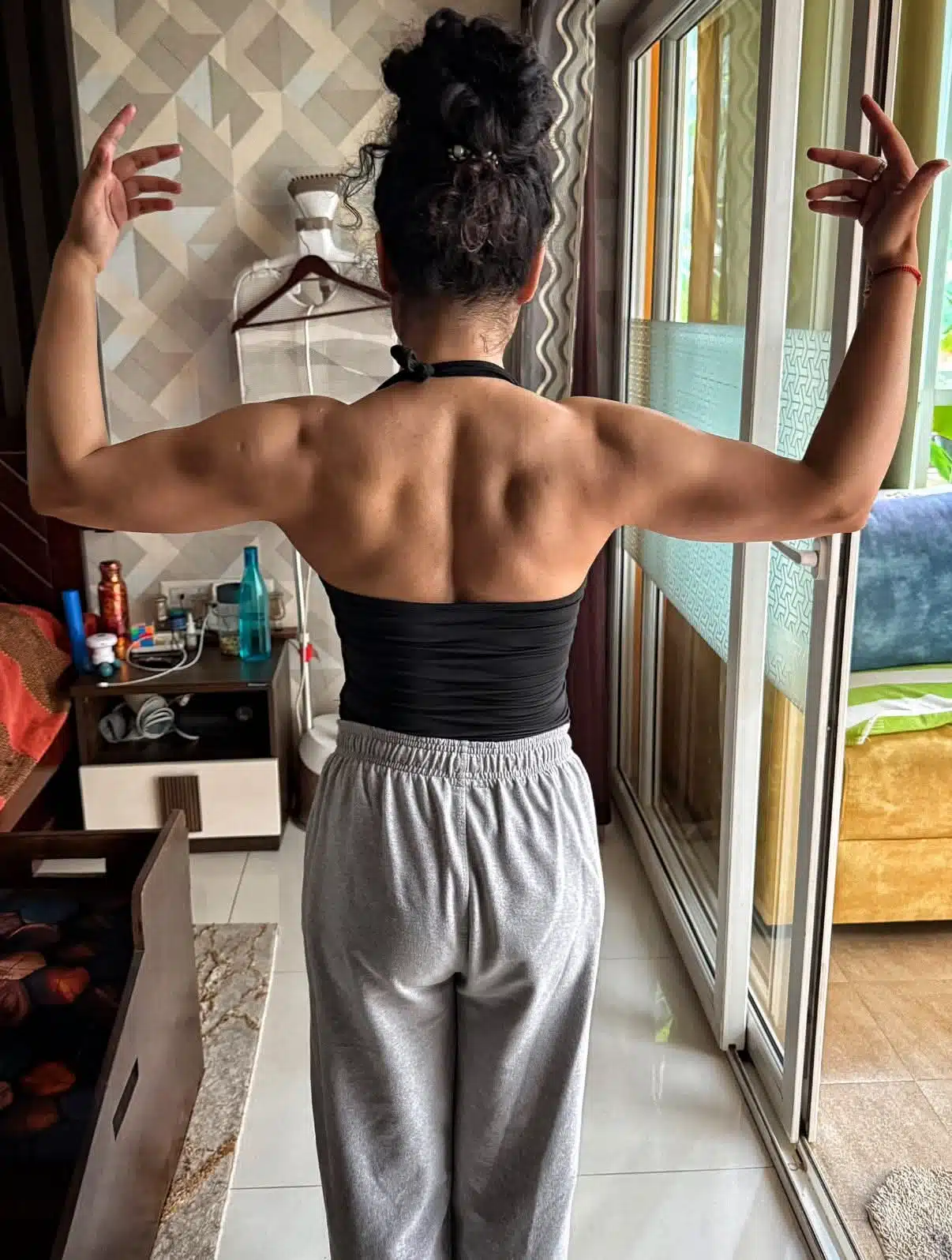
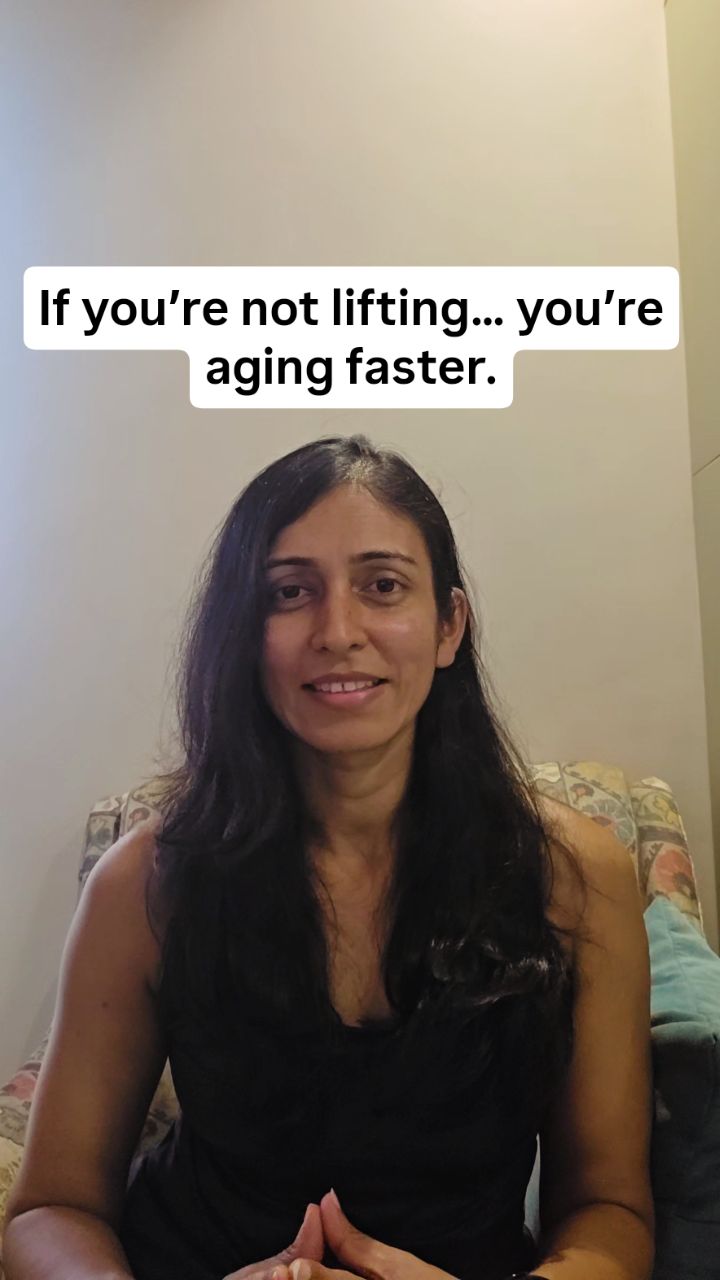
According to fitness coach Reetika Garg, this shift is not merely about appearance; it is about survival, independence, energy, and aging well.
“Fitness is not just about losing weight. It’s about building a body that supports you for decades — physically, mentally, and emotionally,” says Reetika Garg.
The Dangerous Illusion of “Skinny = Fit”
Many people appear lean externally but internally struggle with low muscle mass, poor metabolic health, weak bones, low stamina, and hormonal imbalances. This condition is commonly referred to as “skinny fat” — where body weight may be normal, but muscle quality and body composition are poor.
The problem with focusing only on weight loss is that people often lose muscle along with fat. Extreme dieting, excessive cardio, and under-eating can reduce strength dramatically. Over time, this creates a fragile body that tires easily, recovers poorly, and becomes more vulnerable to injuries.
Why Muscle Matters More Than the Scale
Muscle is not only for athletes or bodybuilders. It is one of the most important organs of longevity and health.
Muscle Improves Metabolism
The more lean muscle mass your body has, the more calories it burns even at rest. Unlike fat tissue, muscle is metabolically active. This means stronger individuals generally have better metabolic flexibility, improved insulin sensitivity, and more stable energy levels.
Muscle Protects Against Aging
Starting in our 30s, the body naturally begins losing muscle mass — a process called sarcopenia. Without resistance training, this muscle decline accelerates with age, leading to weakness, reduced mobility, poor balance, and increased dependency later in life.
Strength training acts like an insurance policy against aging.
The Science Behind Strength Training
Research consistently shows that resistance training improves:
- Bone density
- Joint stability
- Hormonal balance
- Insulin sensitivity
- Cardiovascular health
- Mental health
- Cognitive performance
- Mobility and balance
Even two to four sessions of strength training weekly can significantly improve long-term health outcomes.
Reetika Garg believes that strength training should become as normal as brushing teeth.
“People train for weddings, vacations, and photoshoots. But we should train for our future selves — to remain active, independent, and capable at 60, 70, and beyond.”
Nutrition: The Foundation of Fitness
The statement “80% nutrition, 20% workout” has become popular for a reason. Nutrition fuels recovery, supports muscle growth, regulates hormones, and determines body composition.
But the remaining 20% — exercise — often decides the quality of aging.
Why Nutrition Alone Is Not Enough
A healthy diet without strength training may help with temporary weight loss, but it cannot build muscle efficiently. Muscle growth requires stimulus. That stimulus comes from resistance training.
Without movement and strength-building exercises, the body gradually becomes weaker despite “healthy eating.”
Essential Nutrition Principles for Muscle Health
1. Prioritize Protein
Protein provides the amino acids required for muscle repair and growth. Adequate protein intake becomes even more important for women and older adults.
2. Don’t Fear Carbohydrates
Carbohydrates fuel workouts, recovery, and performance. Eliminating them completely can negatively affect energy levels and training intensity.
3. Healthy Fats Support Hormones
Hormonal health, especially in women, depends heavily on adequate healthy fat intake.
4. Consistency Beats Perfection
The body responds to repeated habits over time — not occasional extreme diets.
Why Women Need Strength Training More Than Ever
One of the biggest myths in fitness is that lifting weights makes women “bulky.” Scientifically, this fear has little basis.
Women naturally have lower testosterone levels, making extreme muscle gain difficult without specialized training and nutrition. Instead, strength training helps women become leaner, stronger, more confident, and metabolically healthier.
Benefits of Strength Training for Women
Improved Bone Health
Women are at higher risk for osteoporosis as they age. Resistance training strengthens bones and reduces fracture risk.
Better Hormonal Health
Strength training improves insulin sensitivity and may help support hormonal balance.
Enhanced Mental Strength
The psychological benefits of lifting weights are profound. Women often report improved self-confidence, discipline, resilience, and emotional well-being.
Increased Functional Strength
Simple daily tasks — carrying groceries, climbing stairs, lifting children, maintaining posture — become easier with better muscular strength.
Longevity Is the New Fitness Goal
Modern fitness is moving away from crash diets and unrealistic body ideals. The new goal is longevity.
Longevity-focused fitness asks important questions:
- Can your body support you as you age?
- Can you move pain-free?
- Can you recover efficiently?
- Can you remain independent later in life?
- Can you maintain muscle, mobility, and energy?
The answer to all of these depends heavily on muscle health.
The Hidden Cost of Low Muscle Mass
Lack of muscle contributes to:
- Chronic fatigue
- Slower metabolism
- Poor posture
- Back pain
- Increased injury risk
- Lower mobility
- Reduced quality of life
Muscle is not vanity. It is protection.
Strength Training for Beginners: Where to Start
For beginners, the idea of strength training can feel intimidating. But it does not require perfection or complicated routines.
Step 1: Focus on Compound Movements
Exercises like squats, push-ups, deadlifts, rows, and lunges train multiple muscle groups efficiently.
Step 2: Train Progressively
Gradually increasing resistance over time is what stimulates muscle adaptation.
Step 3: Prioritize Recovery
Muscles grow during recovery, not during workouts. Sleep, hydration, and proper nutrition are essential.
Step 4: Stay Consistent
Consistency matters far more than intensity.
Beyond Appearance: The Emotional Transformation
Physical transformation is often visible. Emotional transformation is deeper.
People who begin strength training frequently experience:
- Greater confidence
- Improved self-respect
- Better discipline
- Reduced anxiety
- Enhanced body image
- Increased mental resilience
Fitness becomes less about punishment and more about empowerment.
Reetika Garg emphasizes that real fitness is about capability, not deprivation.
“The goal is not to become the smallest version of yourself. The goal is to become the strongest, healthiest, and most capable version of yourself.”
Strong Is the New Standard
The future of fitness is no longer about starvation, endless cardio, or chasing unrealistic body ideals. It is about building a body that can carry you through life with strength and dignity.
Muscle is not only aesthetic. It is protective. It is metabolic health. It is confidence. It is longevity.
So instead of asking, “How light can I become?” perhaps the better question is:
How strong can I become?
Because true fitness is not measured only by weight.
It is measured by energy, resilience, mobility, confidence, and the ability to live life fully — for years to come.
Train for strength. Train for longevity. Train for life.