




Fasted Workout for Fat Loss: Does Exercising on an Empty Stomach Really Burn More Fat?
By Sohamjita Roy, Fittr Coach
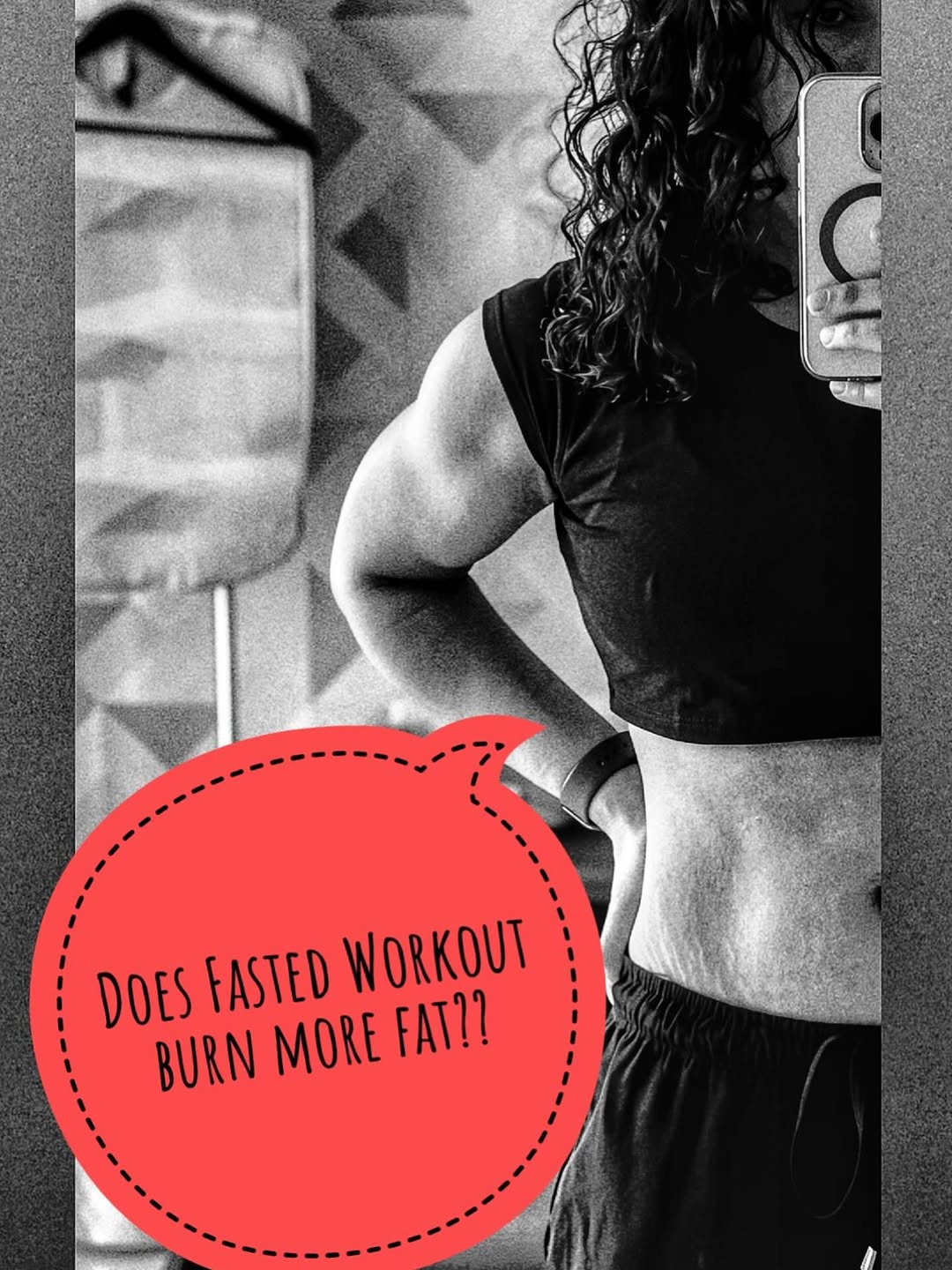
Every few months, a fitness trend resurfaces claiming to be the ultimate shortcut to fat loss. One of the most popular among them is fasted training—working out without eating beforehand, usually first thing in the morning.
Many people believe that exercising on an empty stomach forces the body to burn more fat and therefore leads to faster weight loss. While there is some truth to this idea, the complete picture is far more nuanced.
So, does fasted training burn more fat?
The answer is both yes and no.
Let’s understand what science actually says and whether fasted workouts are right for you.
What Is a Fasted Workout?
A fasted workout is any form of exercise performed after several hours without food, typically after an overnight fast of 8–12 hours.
For example:
- Going for a morning walk before breakfast
- Performing cardio before eating
- Exercising after a prolonged gap since your last meal
During this period, your body’s glycogen (stored carbohydrate) levels are relatively lower compared to after eating.
Because of this, your body may rely more heavily on stored fat as a fuel source during exercise.
This is where the idea of fasted fat burning comes from.
Why Does Fasted Training Increase Fat Burning During Exercise?
When you eat carbohydrates, your body breaks them down into glucose and stores some of it as glycogen in your muscles and liver.
During exercise, glycogen is often the body’s preferred fuel source.
However, when glycogen availability is lower—as it is after fasting—the body compensates by increasing the use of fat for energy.
Several studies have shown that fat oxidation (the process of using fat as fuel) is higher during fasted exercise compared to fed exercise.
In simple terms:
You may burn a higher percentage of fat during the workout itself when exercising in a fasted state.
This sounds like great news for fat loss.
But here’s where most people misunderstand the science.
Fat Burning During Exercise vs Fat Loss Over Time
Burning more fat during a single workout does not automatically mean you will lose more body fat overall.
Your body is continuously balancing energy use throughout the entire day.
If you burn more fat during your workout, your body may compensate later by using slightly more carbohydrates during recovery.
This is why researchers look at long-term body composition changes rather than what happens during a single workout session.
When studies compare:
- Total calorie intake
- Protein consumption
- Training consistency
- Overall activity levels
The differences in fat loss between fasted and fed training are usually minimal or nonexistent.
The biggest driver of fat loss remains:
A Sustainable Calorie Deficit
To lose body fat, you must consistently expend more energy than you consume over time.
Whether you train before breakfast or after breakfast matters far less than:
- Total daily calories
- Protein intake
- Quality sleep
- Stress management
- Exercise consistency
This is why fasted cardio should not be viewed as a magic fat-loss strategy.
Benefits of Fasted Training
Although it isn’t a fat-loss shortcut, fasted training can offer certain advantages.
1. Increased Fat Utilization During Exercise
As discussed earlier, the body tends to rely more on stored fat as fuel when glycogen levels are lower.
This can be beneficial for some endurance and aerobic activities.
2. Convenience
Many people find it easier to wake up and exercise immediately rather than preparing and digesting a meal.
For busy professionals, parents, and early risers, fasted training can help maintain consistency.
3. Feeling Lighter During Workouts
Some individuals dislike exercising with food in their stomach because it can lead to bloating or discomfort.
Training fasted may feel more comfortable in these cases.
4. Potential Improvements in Insulin Sensitivity
Some research suggests that exercising in a fasted state may improve insulin sensitivity in certain individuals, although more evidence is needed before making broad recommendations.
Potential Drawbacks of Fasted Training
Fasted training is not ideal for everyone.
1. Reduced Performance During High-Intensity Exercise
High-intensity workouts rely heavily on glycogen.
When glycogen stores are lower, you may experience:
- Reduced strength
- Lower power output
- Faster fatigue
- Reduced workout quality
This can affect long-term progress if it causes you to train less effectively.
2. Increased Risk of Muscle Breakdown
When protein intake is inadequate and training intensity is high, prolonged fasting may increase muscle protein breakdown.
While this doesn’t automatically lead to muscle loss, it highlights the importance of adequate daily protein intake.
3. Dizziness and Low Energy
Some people experience:
- Light-headedness
- Weakness
- Nausea
- Low energy
especially during longer or more intense workouts.
4. Acidity and Gastric Discomfort
Certain individuals experience acidity or stomach discomfort when exercising on an empty stomach, particularly after consuming coffee.
Listening to your body’s response is important.
Who Should Consider Fasted Training?
Fasted workouts may work well for:
People Performing Low-to-Moderate Intensity Cardio
Examples include:
- Walking
- Cycling
- Light jogging
- Steady-state cardio
People Who Prefer Morning Workouts
If exercising before breakfast helps you stay consistent, it may be a practical choice.
Individuals Who Feel Comfortable Training Fasted
Personal preference matters.
If performance and energy remain good, there may be no reason to change.
Who Should Eat Before a Workout?
Having a small pre-workout meal or snack is generally recommended if your goal involves:
Heavy Weight Training
Strength and power output often improve when fuel is available.
HIIT Sessions
High-intensity interval training relies heavily on carbohydrate availability.
Running Performance
Speed and endurance can benefit from pre-workout nutrition.
Muscle Building
If maximizing muscle growth is a priority, consuming protein and carbohydrates before training can support performance and recovery.
Simple Pre-Workout Snack Ideas
If you choose to eat before exercise, keep it simple and easy to digest.
Some effective options include:
Banana
Provides quick-digesting carbohydrates and potassium.
Apple
A convenient source of natural carbohydrates and fiber.
Bread with Peanut Butter
Offers a combination of carbohydrates and healthy fats.
Dates and Coffee
A popular pre-workout combination that provides quick energy and alertness.
Small Bowl of Oatmeal
Provides sustained energy for longer training sessions.
Black Coffee
If you feel comfortable training fasted, black coffee alone can improve focus and exercise performance due to its caffeine content.
The Real Secret to Fat Loss
Many people spend too much time searching for the perfect workout timing while overlooking the fundamentals.
Successful fat loss is built on:
- Consistent calorie control
- Adequate protein intake
- Resistance training
- Daily movement
- Quality sleep
- Stress management
- Long-term consistency
These factors have a far greater impact on body composition than whether you train fasted or fed.
Final Thoughts
Fasted workouts can increase fat burning during the exercise session itself, but this does not necessarily translate into greater fat loss over weeks and months.
Research consistently shows that when calories, protein intake, and training consistency are matched, overall fat loss is remarkably similar between fasted and fed training.
The best workout is the one you can perform consistently, recover from effectively, and enjoy enough to sustain long term.
Whether you choose fasted cardio or a pre-workout snack, remember that there is no shortcut that replaces the fundamentals.
Your body changes because of what you do consistently, not because of one specific fitness hack.
Choose the approach that helps you stay active, energized, and committed to your goals.
Author: Sohamjita Roy
Fittr Coach
“Don’t chase shortcuts. Build habits. Consistency will always outperform perfection in the journey toward better health and fitness.”

