




The Hidden Reason Most Fat Loss Journeys Stall
Why Consistency Beats “Perfect Diets” Every Single Time
By Sohamjita Roy, Fittr Coach
In the age of viral transformation photos, detox trends, and “30-day shred” promises, people often assume that dramatic body transformations happen because someone discovered a magical diet plan or followed an impossible routine with robotic discipline.
But real transformation stories rarely begin with perfection.
They begin with awareness.
For most people, the difference between progress and frustration is not “good food vs bad food.” It is structure versus randomness. It is planned nourishment versus unconscious eating patterns that quietly sabotage consistency over time.
That distinction may sound simple, but physiologically and psychologically, it changes everything.
The Myth of the “Perfect Meal Plan”
Social media has conditioned many people to believe that successful fat loss comes from extreme restriction, exotic superfoods, or highly complicated meal systems.
In reality, sustainable body composition changes are usually built on something far less glamorous:
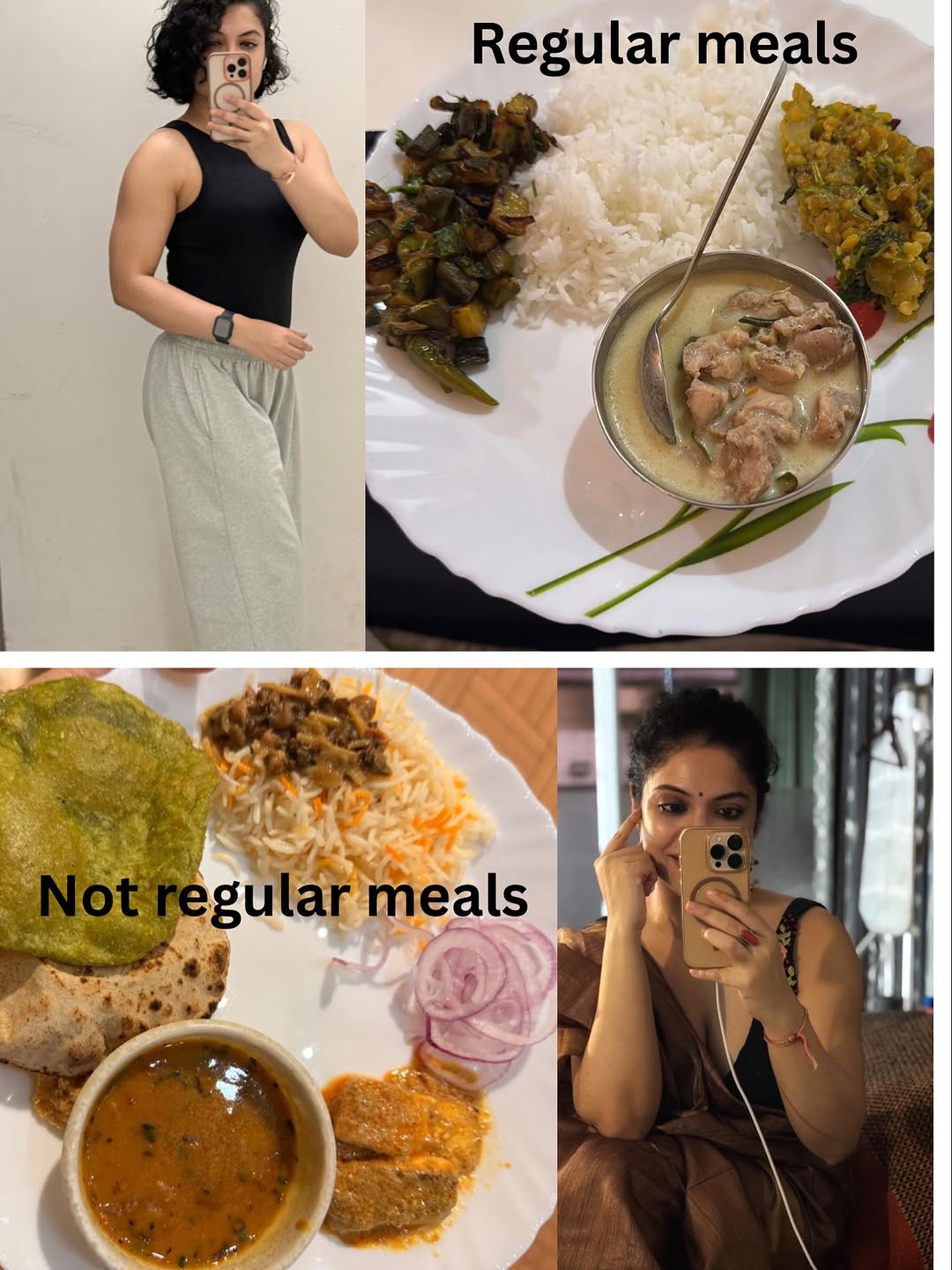
- Regular meals
- Predictable eating patterns
- Portion awareness
- Consistency over intensity
- Reduced decision fatigue
- Better hunger management
Most successful transformations do not happen because someone ate “clean” every second of the day.
They happen because their habits became predictable enough for progress to compound over time.
Structured Eating vs Random Eating
The Difference Most People Ignore
When coaches discuss structured eating, many people immediately assume it means restrictive dieting.
But structured eating is not about punishment.
It is about creating an environment where your body and mind can function optimally.
What Structured Eating Usually Looks Like
1. Predictable Meal Timing
Eating meals at relatively consistent times helps regulate hunger hormones, energy levels, and cravings.
When meals are unpredictable, people often swing between:
- Under-eating
- Excessive hunger
- Overeating later in the day
This creates a cycle that becomes difficult to control emotionally and physically.
2. Portion Awareness
Most people do not gain fat because of one “cheat meal.”
Fat gain typically occurs through repeated small calorie surpluses that seem harmless individually:
- Extra handfuls of snacks
- Frequent liquid calories
- Weekend overeating
- Random desserts
- Mindless bites while cooking
- Calorie-dense healthy foods eaten excessively
These additions accumulate silently.
A few hundred excess calories daily may not feel significant, but over weeks and months, they completely erase a calorie deficit.
3. Better Satiety and Hunger Control
Structured meals tend to include:
- Adequate protein
- Fiber
- Balanced carbohydrates
- Healthy fats
This combination improves satiety and reduces uncontrolled snacking later.
Random eating patterns often prioritize convenience over nourishment, leading to meals that spike hunger again quickly.
Why “Healthy Food” Can Still Delay Fat Loss
One of the biggest misconceptions in nutrition is believing that healthy foods cannot contribute to fat gain.
They absolutely can—if portions consistently exceed energy needs.
Foods like:
- Granola
- Peanut butter
- Smoothies
- Dry fruits
- Protein bars
- Nuts
- Gourmet coffee drinks
can become highly calorie-dense very quickly.
This does not make them “bad.”
It simply means that nutrition is contextual.
A food’s health value and its calorie impact are two different conversations.
The Psychology Behind Unplanned Eating
Why Random Patterns Feel So Normal
Human beings naturally underestimate intake when eating casually.
Research consistently shows that people tend to underreport calories consumed, especially when:
- Eating socially
- Snacking throughout the day
- Consuming liquid calories
- Eating distractedly
- Having irregular meal timing
This is why many people genuinely feel confused when progress stalls.
They are not failing intentionally.
They simply do not notice the repeated patterns accumulating over time.
The Real Danger of “Small Extras”
The body does not only respond to major binges.
It responds to averages.
That means:
- The extra weekend dessert
- The daily sugary coffee
- The “healthy” snack after dinner
- The handful of chips during work
- The second serving because food tasted good
all contribute to your weekly energy balance.
Individually, these moments feel insignificant.
Repeated consistently, they become the reason progress slows down.
Why Coaches Repeat the Same Advice
Many clients eventually wonder why coaches continue emphasizing:
- Meal consistency
- Sleep
- Water intake
- Step count
- Portion awareness
- Protein intake
The answer is simple.
Because fundamentals work.
Fitness is often less about discovering secret strategies and more about mastering basic behaviors repeatedly enough for the body to adapt.
Coaches are not trying to remove joy from life.
They are trying to help people identify invisible patterns delaying their goals.
Experience allows coaches to recognize small behavioral trends before those trends become major setbacks.
Fat Loss Is More About Systems Than Motivation
Motivation is temporary.
Systems create sustainability.
The people who maintain transformations long-term are usually not the most “motivated.” They are the people who:
- Reduced food chaos
- Simplified decision-making
- Built repeatable habits
- Learned recovery strategies
- Stopped relying on willpower alone
This is why consistency beats intensity.
A moderate plan followed for one year will always outperform an extreme plan followed for two weeks.
The Goal Is Awareness, Not Perfection
One unplanned meal does not ruin progress.
One vacation does not destroy a transformation.
One dessert does not create obesity.
The issue begins when temporary patterns become permanent habits without awareness.
True fitness is not about fear around food.
It is about understanding your behaviors well enough to make conscious choices instead of unconscious ones.
That awareness changes everything.
Final Thoughts
Progress Often Comes From the Smallest Corrections
Many people are already working hard.
They are exercising regularly.
Trying to eat healthier.
Making better choices than before.
But sometimes the missing link is not more effort.
It is more consistency.
The transformation people admire is rarely built through perfection.
It is built through repeated structured decisions that slowly become a lifestyle.
And often, the biggest breakthrough happens the moment someone stops asking:
“What is the perfect diet?”
and starts asking:
“What patterns am I repeating every day?”
— Sohamjita Roy, Fittr Coach