




In a World Obsessed With Skinny, Women Are Choosing Strength Instead
By Megha Bajaj
For decades, women were taught that fitness meant becoming smaller. Smaller waistlines. Smaller appetites. Smaller versions of themselves. Magazine covers glorified thinness, diet culture thrived on insecurity, and strength training was often marketed as something reserved for men.
But a powerful shift is happening globally.
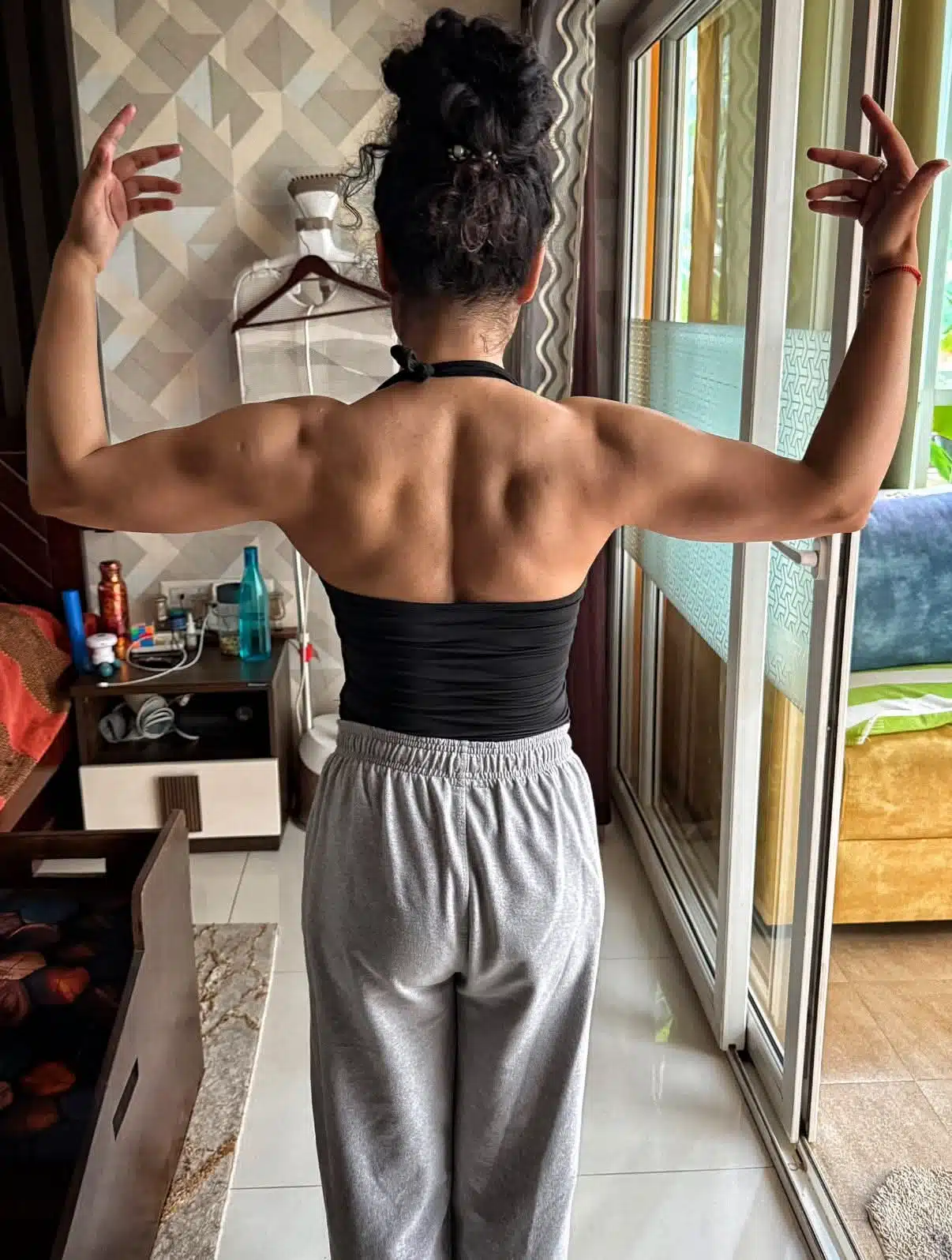
Women today are no longer training simply to lose weight — they are training to gain strength, confidence, resilience, and long-term health. The modern fitness movement is redefining beauty standards through science-backed wellness, muscular strength, and functional fitness.
The message is becoming louder across gyms, fitness communities, and social media:
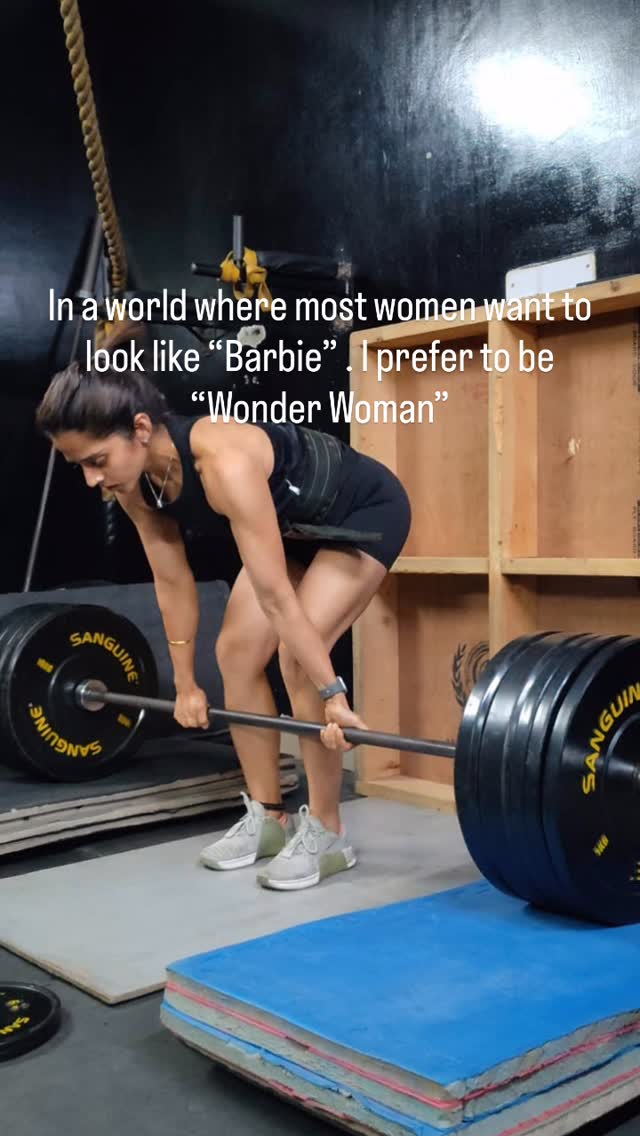
“In a world chasing skinny… choose strong.”
Why Strength Training Matters for Women
Strength training is no longer viewed as optional for women. Exercise physiologists, endocrinologists, sports medicine experts, and public health researchers consistently emphasize that resistance training is one of the most effective tools for improving overall health in women across all age groups.
Contrary to outdated myths, lifting weights does not make women “bulky.” Instead, it helps develop lean muscle mass, metabolic health, hormonal balance, and psychological well-being.
The Science Behind Strength
When women perform resistance training, the body undergoes several physiological adaptations:
- Muscle fibers become stronger and more efficient
- Bone density improves
- Insulin sensitivity increases
- Metabolic rate rises
- Posture and joint stability improve
- Neuromuscular coordination becomes better
These adaptations are especially important because women naturally experience lower muscle mass and gradual bone density decline with age.
Strength training acts as a protective mechanism against many chronic health conditions.
The Confidence Effect: How Lifting Changes the Mind
One of the most remarkable outcomes of strength training is psychological transformation.
Women who engage in consistent resistance training often report:
- Improved self-esteem
- Greater emotional resilience
- Better body image
- Reduced anxiety
- Increased self-discipline
- Higher self-confidence
This happens because exercise influences neurotransmitters like dopamine, serotonin, and endorphins — chemicals directly associated with mood regulation and emotional well-being.
Strength training also creates measurable progress beyond aesthetics. Lifting heavier weights, completing more repetitions, or mastering new movements builds a sense of achievement that transfers into daily life.
A woman who learns to deadlift her bodyweight often begins to believe she can handle challenges outside the gym too.
Strength Training and Women’s Hormonal Health
Hormonal balance plays a major role in women’s health, energy levels, metabolism, and mood.
Scientific evidence suggests that structured resistance training can positively influence:
1. Insulin Sensitivity
Strength training improves glucose utilization by muscles, helping reduce insulin resistance and supporting metabolic health.
This is particularly beneficial for women dealing with:
- PCOS
- Prediabetes
- Weight management issues
2. Cortisol Regulation
Chronic stress elevates cortisol levels, contributing to fat gain, fatigue, poor sleep, and mood disturbances.
Regular exercise helps regulate stress response pathways and improves nervous system resilience.
3. Menopause Support
During menopause, declining estrogen levels contribute to:
- Muscle loss
- Bone density reduction
- Increased abdominal fat accumulation
Strength training helps counteract these effects by preserving lean muscle tissue and maintaining skeletal strength.
Strong Bones, Strong Future
Women are significantly more vulnerable to osteoporosis than men.
After the age of 30, bone mineral density gradually starts declining. Sedentary lifestyles accelerate this process.
Weight-bearing and resistance exercises stimulate osteoblast activity — the cells responsible for bone formation.
This means lifting weights today is an investment in mobility and independence decades later.
Scientifically Proven Benefits for Bone Health
Strength training helps:
- Increase bone mineral density
- Reduce fracture risk
- Improve balance and coordination
- Lower fall risk in older women
Fitness is not just about appearance. It is about longevity.
Building Muscle Is Essential — Not Masculine
One of the biggest misconceptions surrounding women’s fitness is the fear of becoming “too muscular.”
Physiologically, women produce far lower levels of testosterone compared to men, making extreme muscle hypertrophy naturally difficult without specialized training and nutrition.
Instead, resistance training generally creates:
- Lean muscle tone
- Athletic definition
- Better posture
- Increased strength
- Improved metabolism
Muscle tissue is metabolically active, meaning it burns more calories even at rest.
More muscle often translates to:
- Better fat loss efficiency
- Improved metabolic flexibility
- Higher daily energy expenditure
The Mental Health Benefits of Strength Training
Mental wellness and physical activity are deeply connected.
Modern lifestyles dominated by stress, screen exposure, sleep disruption, and sedentary behavior contribute heavily to anxiety and emotional exhaustion.
Exercise serves as a scientifically validated intervention for mental health support.
Research Shows Resistance Training May Help:
- Reduce symptoms of depression
- Improve sleep quality
- Enhance cognitive function
- Reduce stress levels
- Improve emotional regulation
The gym becomes more than a physical space — it becomes therapy through movement.
Women Are Redefining Fitness Culture
The modern fitness revolution is shifting focus from:
- “How little can I eat?”
to - “How well can I nourish my body?”
From:
- “How thin can I become?”
to - “How powerful can I feel?”
This cultural evolution is encouraging women to:
- Eat adequately
- Train intelligently
- Prioritize recovery
- Build athletic capability
- Celebrate strength over fragility
Social media has also amplified women athletes, powerlifters, runners, bodybuilders, functional fitness coaches, and wellness educators who promote sustainable health rather than unrealistic perfection.
Nutrition: The Foundation of Strength
Strength training alone is not enough. Proper nutrition determines recovery, performance, and muscle development.
Key Nutritional Priorities for Active Women
Protein Intake
Protein supports:
- Muscle repair
- Recovery
- Hormonal health
- Satiety
Complex Carbohydrates
Carbohydrates provide:
- Workout fuel
- Glycogen replenishment
- Energy sustainability
Healthy Fats
Dietary fats are crucial for:
- Hormone production
- Brain health
- Cellular function
Micronutrients
Iron, calcium, magnesium, vitamin D, and B vitamins are especially important for women’s health and athletic performance.
Strength Is More Than Physical
True strength is multidimensional.
It is:
- Showing up consistently
- Choosing discipline over excuses
- Respecting recovery
- Nourishing the body instead of punishing it
- Building resilience during difficult phases of life
The strongest women are not necessarily the leanest women.
They are the women who:
- Keep going despite setbacks
- Learn patience through progress
- Build confidence through effort
- Develop self-respect through consistency
Final Thoughts
The future of women’s fitness is not about shrinking.
It is about expanding:
- strength,
- confidence,
- health,
- capability,
- and self-belief.
Modern science strongly supports what many women are now discovering firsthand: lifting weights is not merely a fitness trend — it is one of the most powerful tools for lifelong physical and mental wellness.
In a world still chasing skinny, more women are choosing strong.
And that may be the healthiest revolution of all.
— Megha Bajaj