





The Hidden Truth Behind “Perfect” Fitness Photos: Why Social Media Angles Are Distorting Body Image
By Simran Kaur, Fittr Coach
In today’s hyper-visual world, social media has transformed fitness inspiration into an endless stream of seemingly flawless bodies, sculpted physiques, flat stomachs, and dramatic transformations.
With every scroll, millions are exposed to carefully curated images that often create one dangerous illusion:
That some people naturally look “perfect” all the time.
But what if the truth was far simpler?
What if the dramatic transformation between two photos happened in mere seconds — without weight loss, dieting, or any physical change at all?
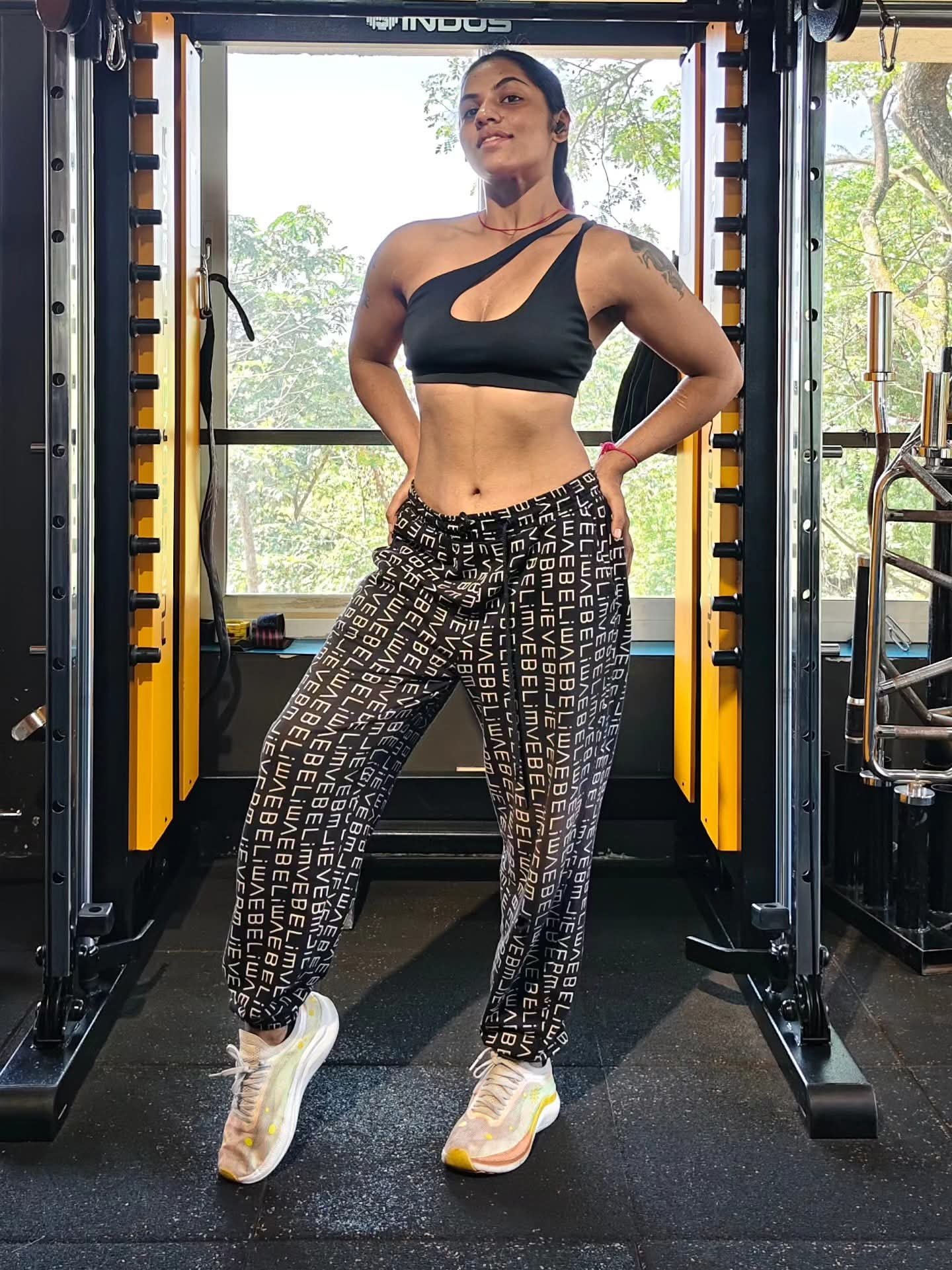
The reality is that posture, posing, lighting, camera angles, and muscle engagement can significantly alter how the body appears in photographs.
And understanding this truth may be one of the most important lessons for physical and mental health in the digital era.
The Fitness Photography Illusion: Same Body, Different Reality
One of the most misunderstood aspects of online fitness culture is how easily appearance can be manipulated without changing the body itself.
A person can appear:
Leaner
More toned
More muscular
More defined
Smaller-waisted
…simply by adjusting:
Posture
Standing upright with shoulders back elongates the torso, tightens the waistline, and creates a more athletic silhouette.
Core Engagement
Flexing abdominal muscles immediately changes stomach appearance, often reducing visible softness.
Lighting
Overhead or side lighting can create shadows that exaggerate muscle definition.
Camera Angle
A lower angle may enhance muscle size, while strategic side poses can visually slim the waist.
Clothing Choices
High-waisted outfits, compression fabrics, and strategic cuts can dramatically shape visual presentation.
Seconds Apart, Yet Perceived as Transformation
This is why many viral “before and after” photos can be misleading.
In reality:
The body may not have changed at all.
Only presentation changed.
This matters because audiences often interpret these images as evidence of extreme discipline, superior genetics, or lifestyle perfection — when they may simply represent:
- A pose
- A flex
- Better lighting
- Improved posture
This can create false standards and fuel unnecessary insecurity.
Social Media Comparison: A Growing Psychological Burden
The constant exposure to idealized body imagery has serious mental health consequences.
Research consistently shows that excessive appearance-based comparison can contribute to:
Body dissatisfaction
Low self-esteem
Anxiety
Depression
Eating disorders
Exercise addiction
Unrealistic expectations
When people compare their unfiltered daily body to someone else’s edited or strategically posed image, they often internalize harmful beliefs such as:
- “I’m not disciplined enough.”
- “My body isn’t good enough.”
- “I’m failing.”
- “I need to look like that all the time.”
This mindset can sabotage both physical progress and emotional well-being.
Your Body Is Dynamic, Not Static
A crucial concept often ignored online is that the human body naturally fluctuates.
Throughout a single day, your body may change due to:
Food intake
Hydration levels
Digestion
Hormonal fluctuations
Sodium intake
Stress
Sleep quality
Menstrual cycle phases
This means:
- Morning stomach ≠ Evening stomach
- Flexed abs ≠ Relaxed abs
- Standing physique ≠ Sitting physique
These fluctuations are biologically normal.
Yet social media often presents only the most “ideal” moments, creating unrealistic expectations of constant physical perfection.
Softness Is Not Failure
Many people panic when they notice:
Belly folds
Bloating
Water retention
Cellulite
Stretch marks
Postpartum changes
Loose skin
But these are not signs of failure.
They are signs of:
Humanity
Growth
Recovery
Hormonal function
Real life
Your body is designed to move, adapt, protect, and survive — not to maintain an unnatural photoshoot condition indefinitely.
Real Fitness Is Built Beyond Appearance
The true purpose of fitness extends far beyond aesthetics.
Genuine fitness includes:
Strength
Building muscle improves mobility, metabolism, bone density, and longevity.
Health
Exercise supports cardiovascular function, insulin sensitivity, hormonal health, and disease prevention.
Discipline
Consistency over time creates sustainable transformation.
Mental resilience
Training often improves mood, confidence, and emotional stability.
Lifestyle habits
Nutrition, sleep, movement, and stress management are the true pillars of long-term wellness.
Why Chasing “Perfect Angles” Can Sabotage Progress
When fitness becomes solely about looking perfect online, people may fall into unhealthy patterns such as:
Overtraining
Undereating
Extreme dieting
Obsessive body checking
Constant dissatisfaction
This often leads to burnout, hormonal imbalance, and loss of motivation.
Instead, sustainable transformation focuses on:
Progress over perfection
Health over validation
Strength over size
Longevity over temporary appearance
Redefining Progress: What Actually Matters
Photos can be useful tools, but they should not be your sole benchmark.
Better measures of progress include:
Improved strength levels
Better stamina
Reduced pain
Enhanced mood
Better blood markers
Improved sleep
Greater self-confidence
Consistent habits
Sometimes the most important changes happen internally before they become externally visible.
Building a Healthier Relationship with Social Media
To navigate fitness content wisely:
Practice media literacy
Understand that photos are often curated, posed, and filtered.
Follow transparent creators
Choose coaches and educators who promote realistic health.
Limit harmful comparison
Remember that everyone’s genetics, lifestyle, and circumstances differ.
Focus on education
Seek content that teaches rather than pressures.
Prioritize self-respect
Your body deserves care, not punishment.
The Importance of Muscle, Function, and Long-Term Health
Rather than obsessing over every visual fluctuation, shift focus toward:
Building lean muscle
Supporting metabolism
Improving posture
Enhancing strength
Aging well
Preventing injuries
Increasing quality of life
A strong body is often far more valuable than a temporarily “perfect” appearance.
Final Message from Simran Kaur
The online world often sells perfection, but real life is far more nuanced.
So before you compare yourself to another photo, remember:
That image may reflect:
- Strategic posture
- Lighting
- Flexing
- Editing
- Timing
Not constant reality.
Your relaxed body is valid.
Your softness is normal.
Your progress still counts.
Your health matters more than aesthetics.
Fitness is not about looking flawless every second.
It is about becoming stronger, healthier, more capable, and more confident for life.
Because real transformation is not built by angles.