




The Real Look of Fitness: Understanding the Science, Psychology, and Seasons of Your Body
By Khushbu Gupta | Fitness & Nutrition Coach
Introduction: The New Age Fitness Paradox
In the era of reels, filters, and “summer shredding challenges,” fitness has shifted from being a personal journey to a public performance.
Everyone wants the leanest jawline, the sharpest midsection, the most aesthetic silhouette.
And somewhere in this pursuit, we’ve forgotten the most fundamental truth:
Your body has seasons — and every season has a different look.
The shredded physique you admire online?
That’s a season.
The fuller, stronger, muscle-building version?
Also a season.
But modern fitness culture has conditioned people to fear any look that doesn’t match the “Instagram aesthetic.”
The result?
People panic when they lean out too much.
They panic when they gain a little fullness.
They panic when their face changes.
They panic when their abs disappear during a bulk.

This article cuts th
rough the noise — with science, realism, and clarity — to help you embrace every phase of your fitness journey without self-doubt.
Phase One — The Cutting Phase and the Misunderstanding of Leanness
Fat loss is one of the most misinterpreted phases in fitness.
Not because it’s unhealthy — but because people don’t understand what normal physiological changes look like.
Why Your Face Gets Leaner First — The Science Behind It
When you start a calorie deficit, your body taps into stored fat.
But fat distribution varies across individuals.
For many, face fat reduces before body fat, leading to:
- Sharper jawline
- Prominent cheekbones
- Slightly sunken cheeks
- A tighter overall look
To the untrained eye, this looks like “weakness.”
To a coach or athlete, this is simply efficient fat mobilization.
Why Others Think You Look “Weak” During Cuts
Culturally, especially in India, “healthy” is synonymous with:
- Fuller cheeks
- Rounder face
- Bright glow
- Slight chubbiness
So a lean face is automatically considered “unwell.”
But here’s what people don’t see:
- Your strength can still increase during cuts
- Your metabolic efficiency improves
- Your training intensity remains high
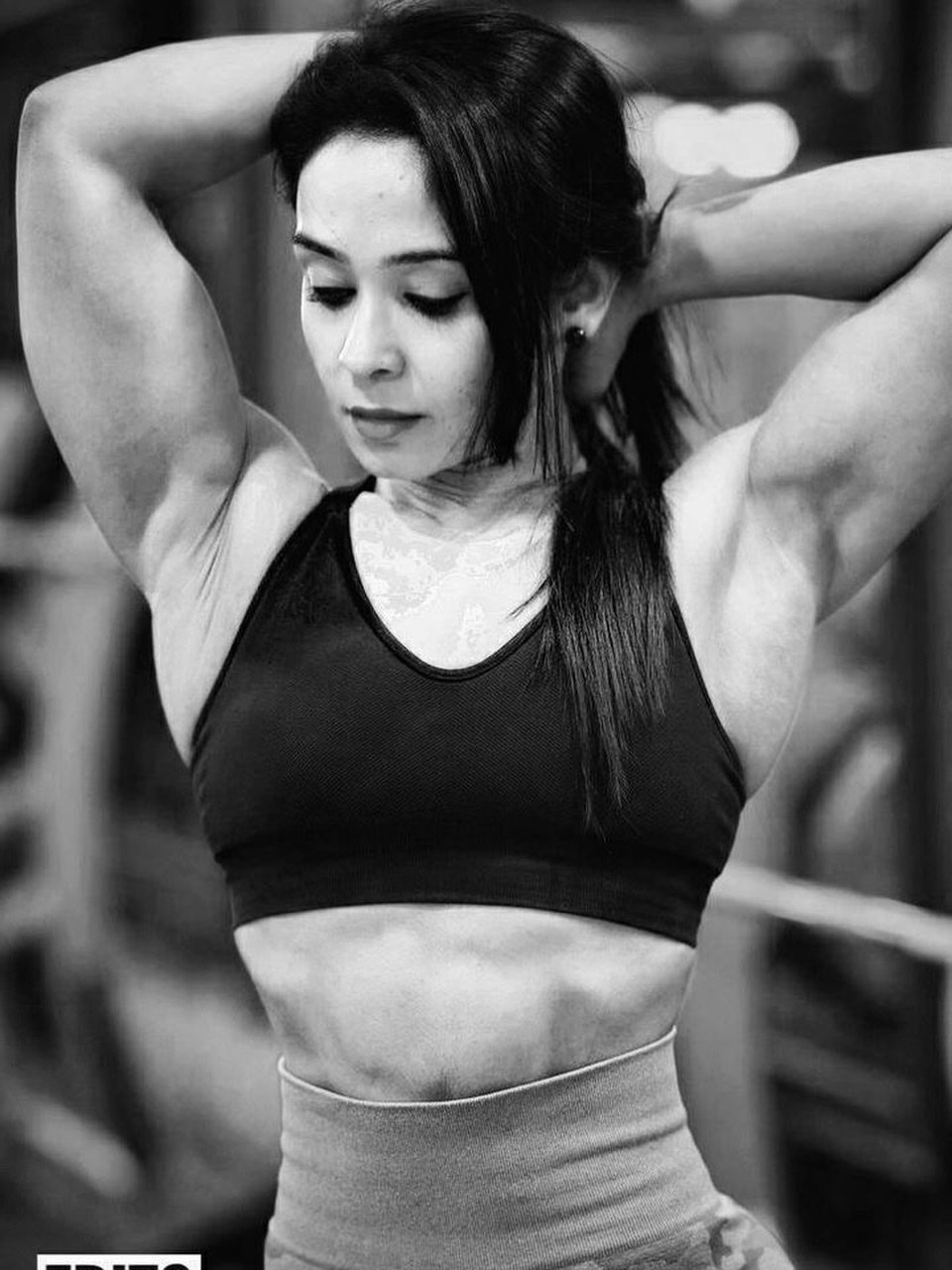
- Your muscular definition becomes visible
Leanness is not weakness.
It is precision.
The Emotional Challenges of the Cutting Phase
Cutting tests your:
- Discipline
- Patience
- Emotional resilience
- Ability to trust the process
Every day you’re fighting biological urges (hunger), societal comments, and your own doubt.
Yet this phase teaches the deepest form of self-control.
Phase Two — The Muscle-Building Phase and the Fear of “Softness”
If cutting is precision, building is construction.
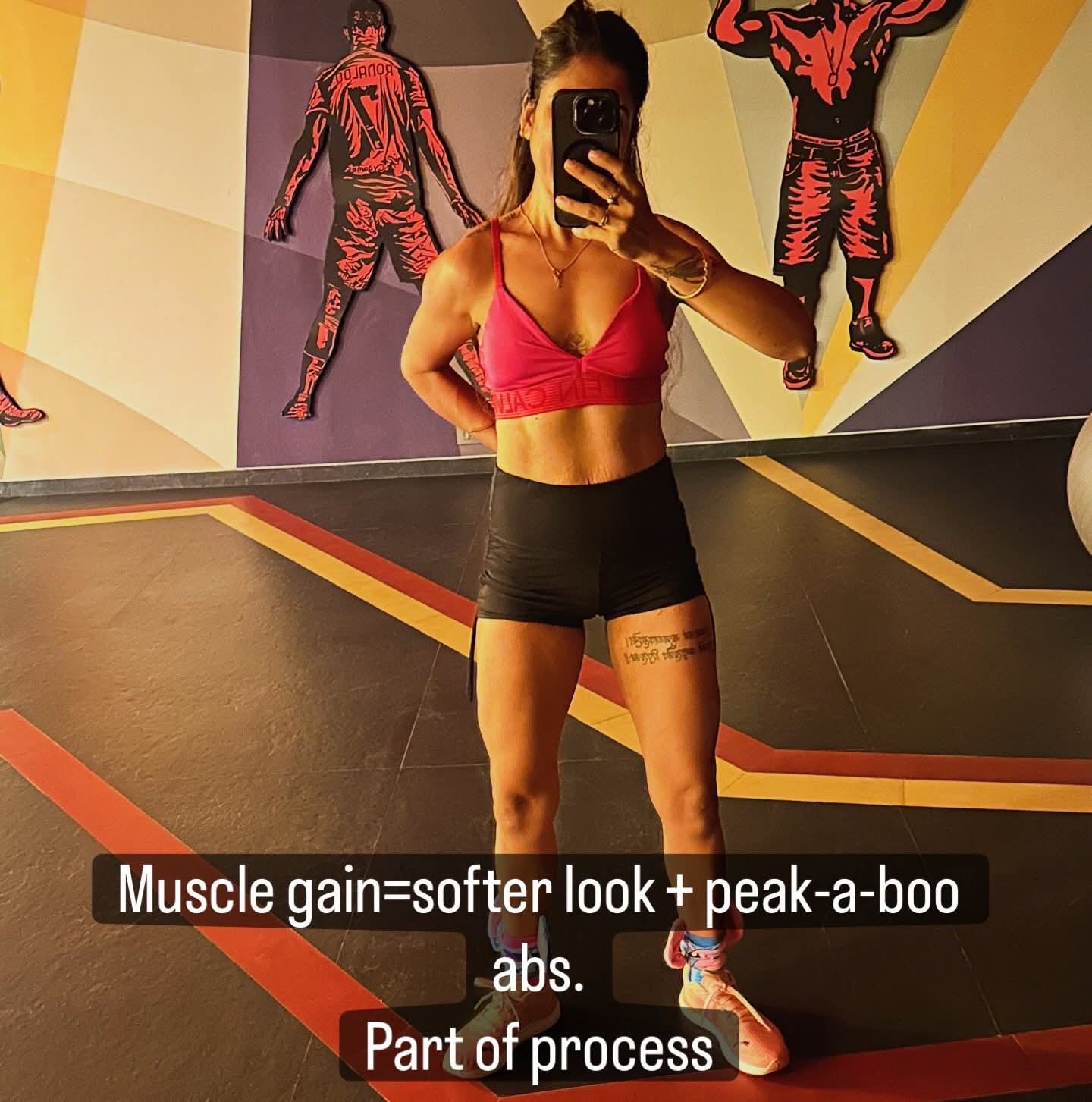
This is where your body gets stronger, denser, more powerful — and yes, visually a little softer.
Why You MUST Look Softer During a Muscle Gain Phase
To build muscle, your body needs:
- Surplus calories
- Carbohydrates
- Adequate recovery
- A small, controlled increase in body fat
This fullness is not “weight gain gone wrong.”
This is hypertrophy at work.
Muscle cannot grow in a calorie deficit.
It grows when you give it building blocks.
The “Peek-a-Boo Abs” Syndrome
Your abs won’t stay:
- Sharp
- Deep-cut
- Dehydrated-looking
- Stage-ready
…during a bulk.
Even elite bodybuilders, physique athletes, and fitness models don’t maintain that year-round.
They bulk for 4–8 months, then cut for just 8–12 weeks before shows.
Why This Phase Is Harder for Most People
Society celebrates “lean.”
Society criticizes “full.”
So many people sabotage growth because:
- They can’t handle temporary changes
- They fear judgment
- They’re addicted to looking shredded
- They don’t understand muscle biology
This is why people get stuck in the skinny-fat cycle.
They never give their muscles time or nutrition to grow.
Phase Three — The Impossible Dream: Shredded AND Growing
One of the biggest misconceptions in fitness is the idea that you can lose fat and gain muscle simultaneously.
Physiology says otherwise.
Why You Cannot Physically Do Both
Cutting needs:
- Calorie deficit
- Lower carbs
- Increased energy expenditure
Building needs:
- Calorie surplus
- Higher carbs
- Maximal recovery
They are opposite metabolic conditions.
Trying to do both is like:
- Pressing the accelerator and brake together
- Trying to freeze and boil water at the same time
It leads to no results and endless frustration.
The Psychology of Changing Body Looks — A Deep Dive
You’re not just managing calories and workouts.
You’re managing:
- Expectations
- Social pressure
- Body image
- Internal dialogue
Why You Compare Yourself to Old Versions of You
You remember your shredded photos.
You remember how you felt lighter.
You remember the compliments.
But what you forget is:
- How hungry you were
- How low your calories were
- How temporary that condition was
A shredded look is not a permanent lifestyle.
It is a peak moment, not the baseline.
Why Fullness During Bulk Triggers Panic
People fear:
- “My face looks big”
- “My abs disappeared”
- “What if I never become lean again?”
These fears are emotional, not scientific.
With a well-planned program, every bulk can be followed by a cleaner, sharper cut.
Fitness is cyclical — not linear.
The Real Secret of Long-Term Transformations
The most successful athletes and transformations — the ones that inspire the world — all have one thing in common:
They commit to every season, not just the glamorous ones.
They understand:
- When to cut
- When to build
- When to rest
- When to push
- When to pull back
This wisdom separates sustainable results from temporary aesthetics.
Conclusion: The Look of Your Phase Does Not Define Your Worth
You are not just a “cutting body” or a “bulking body.”
You are the entire journey.
Your softer look in a bulk?
Strength in progress.
Your sharper look in a cut?
Discipline in motion.
Your in-between days?
Normal. Human. Real.
Trust the phase.
Trust your body.
Trust your work.
Because real fitness isn’t about looking perfect every day —
it’s about evolving with purpose every season.
Written by Khushbu Gupta, Fitness & Nutrition Coach
Empowering you to build strength with intelligence, awareness, and confidence.