





COMMON MISTAKES DURING ABS TRAINING: WHY FORM MATTERS MORE THAN REPS
By Archana Tiwari, Fitness & Nutrition Coach #infscertified
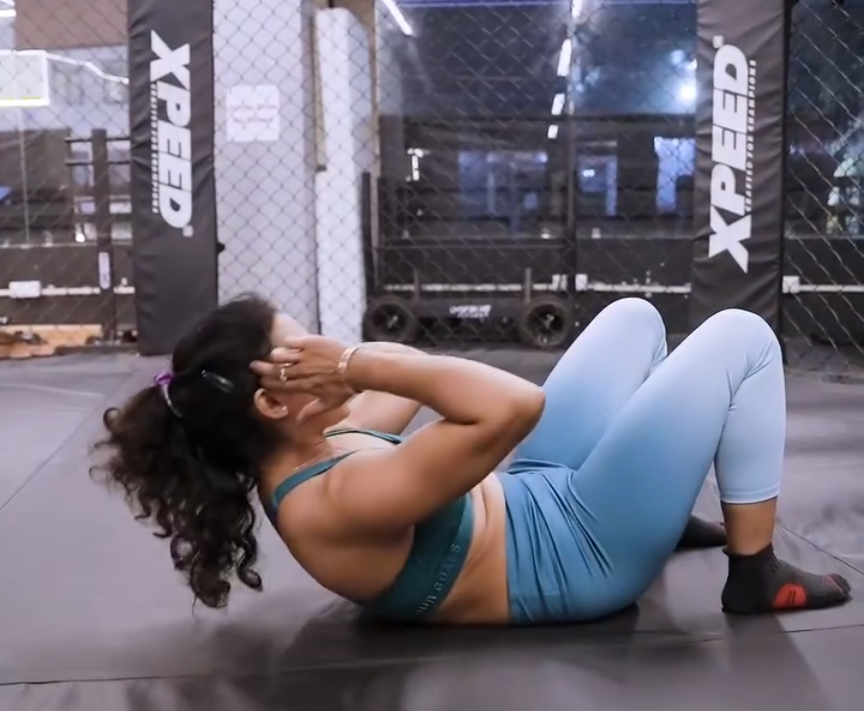
When it comes to sculpting strong, defined abs, most people focus on the number of repetitions rather than the quality of movement. But the truth is simple: your form determines your results. One of the most common mistakes seen in gyms and home workouts worldwide is lifting from the neck during ab exercises—especially crunches. This single error can limit your progress and increase your risk of injury.
Stop Lifting From the Neck — Here’s Why
Pulling your head forward places unnecessary strain on your cervical spine. Instead of activating your abdominal muscles, your body shifts the effort toward the neck and upper back. Over time, this can lead to:
- Persistent neck pain
- Tightness in the trapezius muscles
- Lower-back discomfort due to compensatory movement
- Poor muscle activation in the core
Correcting this mistake not only protects your spine but also ensures that every rep truly counts.
The Right Form for Crunches
If done correctly, crunches are a powerful tool to build your core. Here’s the form used by professionals:
1️⃣ Brace Your Core First
Before any movement, engage your core—imagine someone is about to poke your stomach. This stabilizes your spine.
2️⃣ Keep Your Chin Gently Tucked
Avoid pushing your head forward. A slight tuck aligns your cervical spine and prevents strain.
3️⃣ Lift With Your Abs, Not Your Neck
Think about curling your rib cage toward your pelvis. The movement should be small but controlled, led by the abdominal muscles.
4️⃣ Breathe With Intention
Exhale as you lift.
Inhale as you return to the starting position.
Proper breathing enhances stability and improves muscle engagement.
A Crucial Reminder
If you have:
- Lower-back injury or chronic pain
- Cervical spine issues
- Postural complications
…then traditional crunches may not be suitable for you. Opt for safer alternatives like planks, dead bugs, or physiotherapy-guided core routines.
Final Word
Abs are built not just through effort, but through awareness. A strong core supports your posture, improves your training performance, and protects your spine. Make every movement intentional—and safe.
If you take away one thing from this: quality beats quantity every single time.

